
Kinda Lost That Feeling: Swervedriver at The Sinclair 08/18
Design by Sophie Parrish
By Christian Jones
It was a Tuesday-night crowd of mostly dads and dudes, some teenagers packed in among them in all the same garb. A sea of old indie band shirts: Stereolab’s Dots and Loops, Boards of Canada, Miles Davis’ Birth of the Cool, Dead Kennedys, Sparklehorse, Scapegoat, Mineral. The guy next to me, a poetry teacher who lived in Syracuse and whose name I forgot to ask, had driven the whole way to check Swervedriver off a list of his favorite ’90s bands he had loved and listened to but never actually seen in concert.
Slow Fiction, a new New York City shoegaze-revival act, opened. The set was a little straightforward, with hazy vocals about smoking cigarettes and being ignored. The shoegazey-drone was mostly flat, lacking any notable stylistic flourish, until “junior year” where it joined with crashing drums in a nice rhythmic pulse. Between sets, the guy behind me beatboxed along to the filler tracks, the best of which was when the lights turned a misty red and the “Laura Palmer” theme began to play.
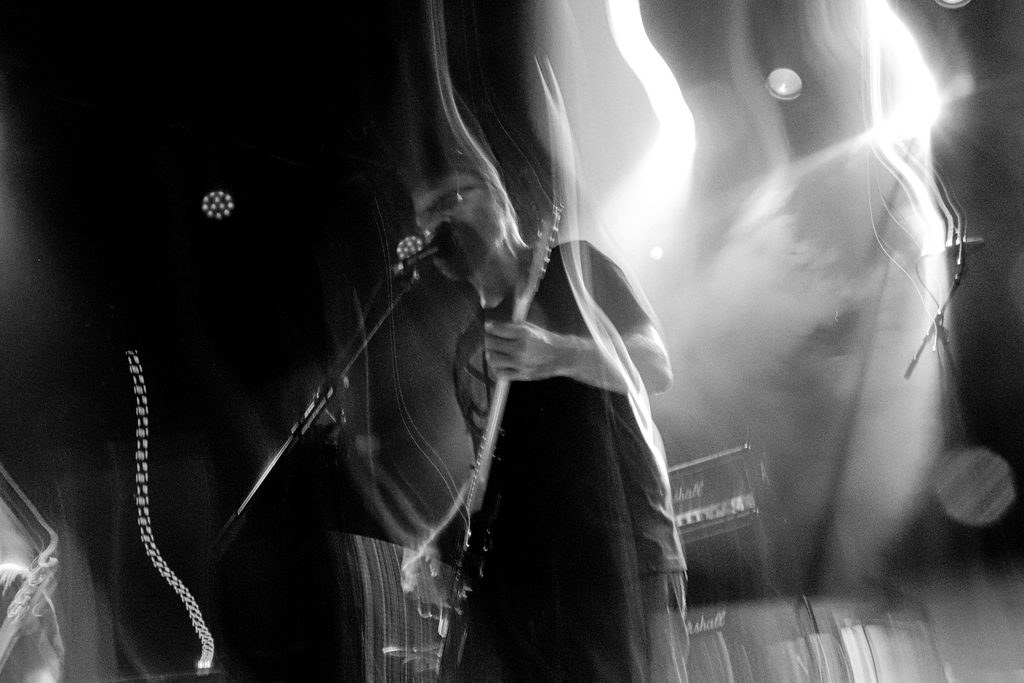
Swervedriver took to the stage looking like dads from the audience. They opened with the adrenaline kick-starting track “Sci-Flyer,” each pump of the drums clashing against the mounting wall of distortion. “Son of Mustang Ford,” the band’s first-ever single, followed immediately after. “Drive!” lead singer Adam Franklin shouted, followed by muscular riffs that sounded like winding down the highway windows down. On “Rave Down,” another debut-album classic, the strength of the acoustics rattled my ribcage, thrumming a deep hum as Franklin crooned “Raaaaaaveeeeee Downnnnn.” “Sunset” offered a more literal take on the cruising-into-sunset-in-my-car vibe, Franklin singing “Engines whir/ Memphis blurred/ Sunset deep,” before launching into the next track, “Feel So Real.”
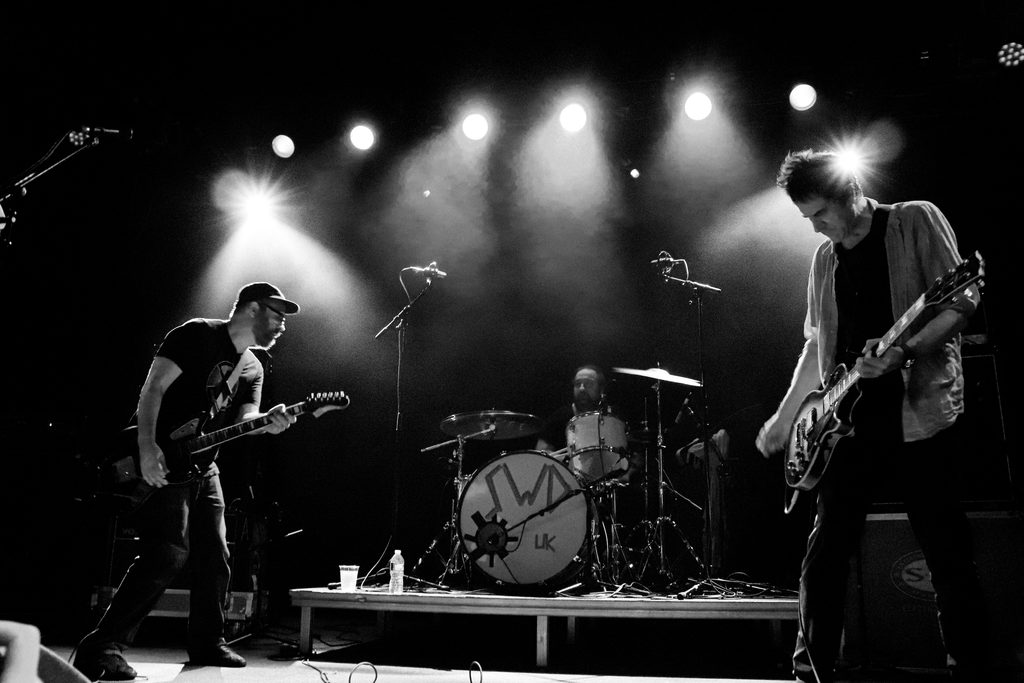
In 1991, with the release of their debut album Raise, Swervedriver were outliers of the early shoegaze scene, blending the distorted effects of the genre with the thrashable post-punk energy of Sonic Youth and the catchy musculature of stadium rock acts still yet to come. Their sophomore release, 1993’s Mezcal Head, had some sonic kinship in The Smashing Pumpkins’ debut, Siamese Dream. But they weren’t as anthemic as the Pumpkins, still moored to a harsher sound that escaped mass appeal—which is perhaps exactly what they wanted.
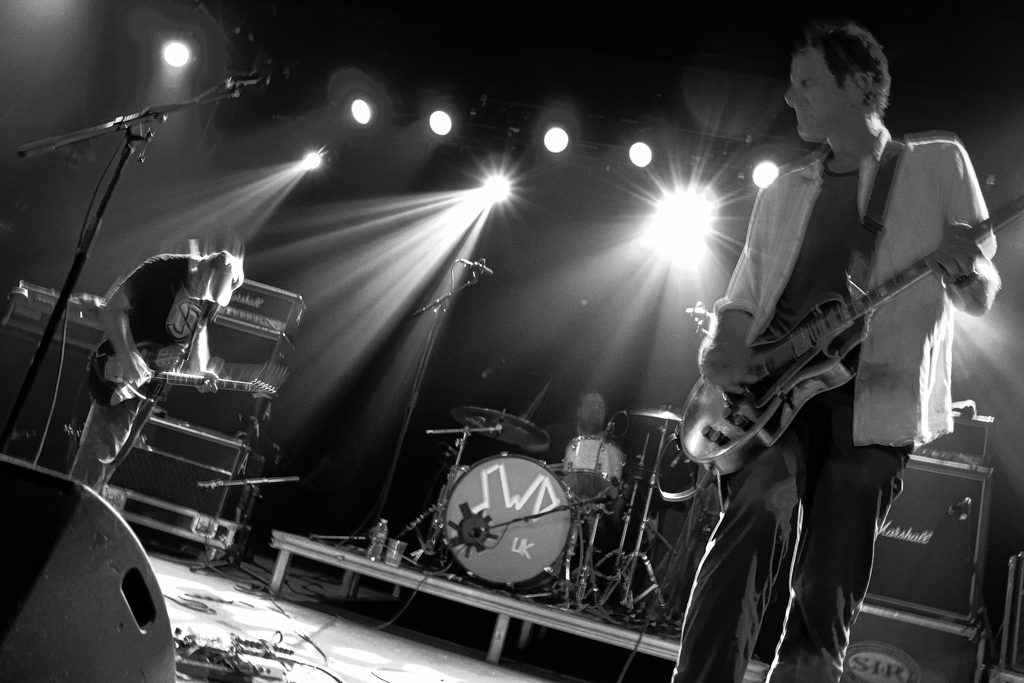
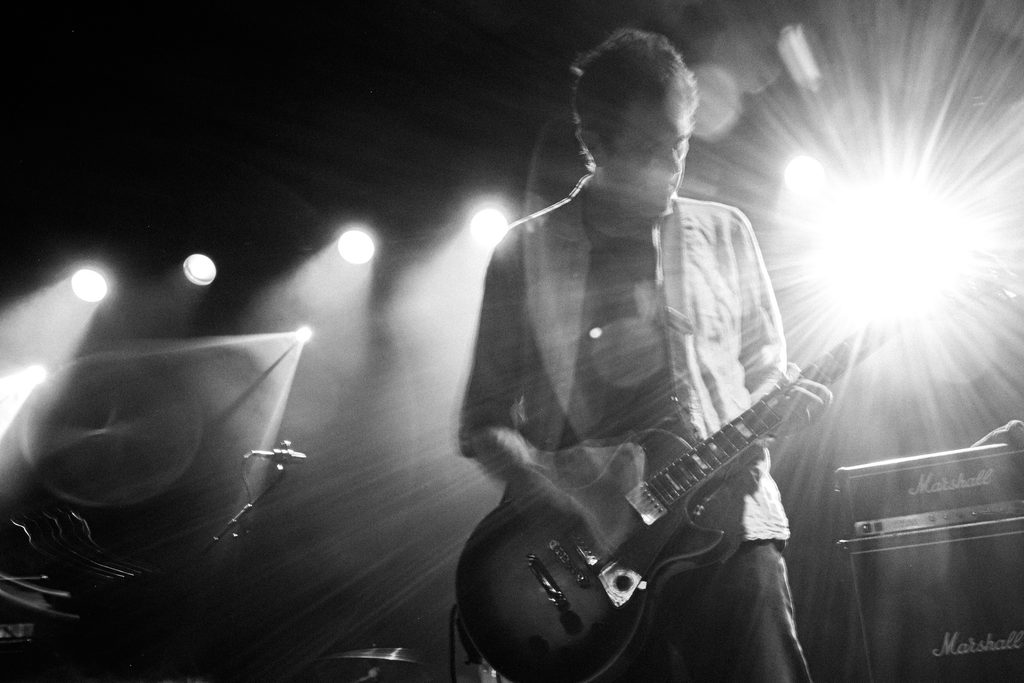
Despite the fact that Swervedriver took a brief 17-year hiatus from 1998 to 2015, their sound is largely the same. Some of its edges have changed—psychedelic-leaning, textural variation, production value—but at its core, still drone-filled, high-velocity autophile rock. This sameness isn’t necessarily a bad thing, especially for die-hard fans who never want to lose that feeling. But of their new music, the band’s most recent single, “Flawed,” which also happens to be a demo from Raise, shows that none of their new output holds a candle to their first two LPs. It preserves the raw energy of their early sound, which was precisely what made them so exciting. Thankfully, the band is set to release raise:demos, on October 23rd with Outer Battery Records.
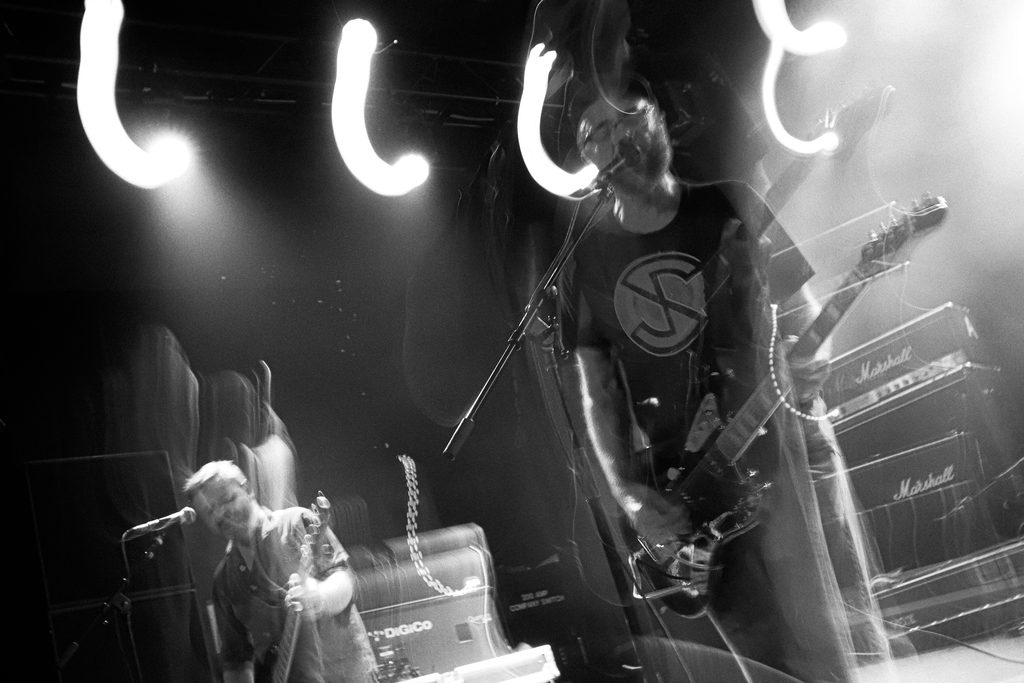
This fork in the road is the plight of older bands on tour for newer output: they can either play their music as faithfully to the past as possible, offering a kind of pastiche, or they can flourish their early songs in such a way that they land in the present. (Unless of course, their sound has completely changed).
Despite all the tapped-in T-shirts, no one in the crowd could seem to muster more than a light head bump. Watching Swervedriver deliver a faithful rendition of their debut tracks without any matching energy from the crowd quickly lost its luster like a carwash that fades the very day you got it. The effect was a drone that truly felt like it was droning on, and not in any particularly interesting direction. They concluded their main set early and announced that they would just play their encores so as to avoid the performative ending.
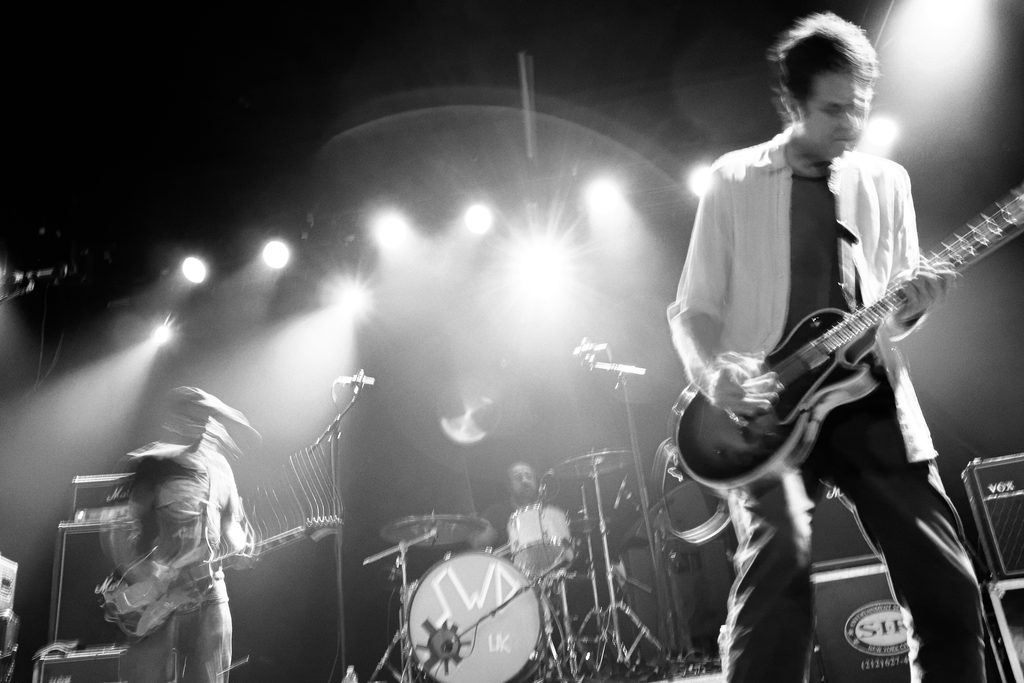
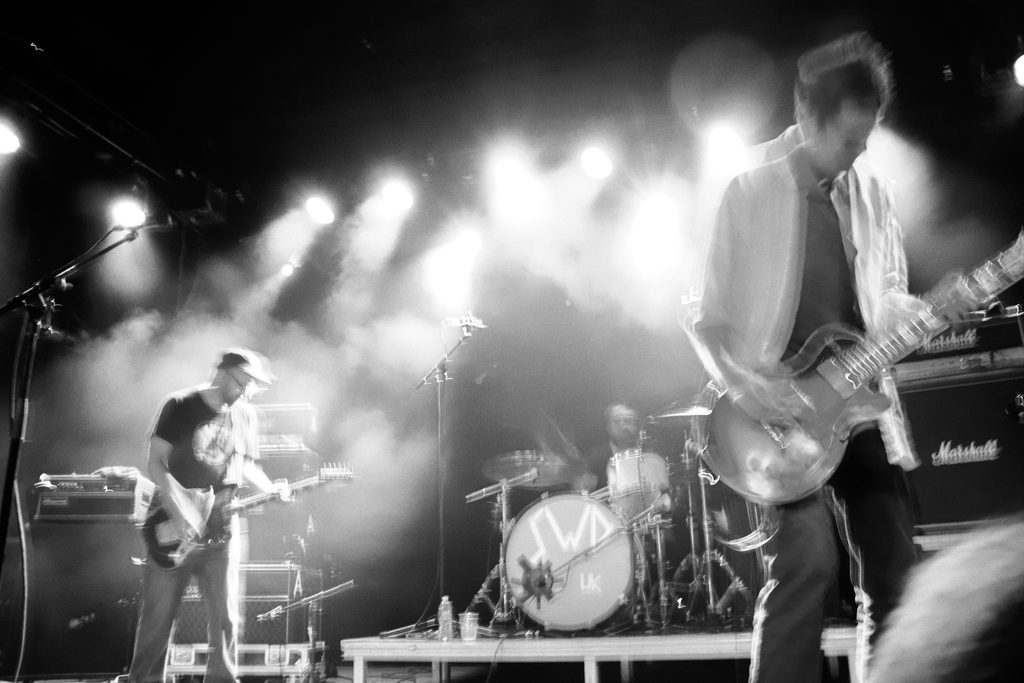
“Never Lose That Feeling” ensued and Adam Franklin’s tone, a perfect blend of indifference and longing, carried the band into the home stretch. Guitars screeched in voltage-heavy arpeggiated riffs as Swervedriver played the last of their heavy hitters—“Duel.” For men pushing 60, the set was an impressively unrelenting flow of energy up until its last moments. It was the crowd who couldn’t catch up.