
Milk Crate’s Top 30 Albums of 2025!
2025 is officially behind us… So, as we venture into this new year, we must reminisce on the best music that the year had to offer! With 20 honorable mentions and an extra specially curated top 10 from our wonderful staff, there’s a lot to love (and listen to)! Happy new year and thanks for reading!
Honorable Mentions
Baby by Dijon
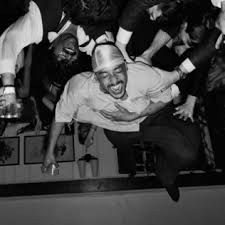
Dijon has gained more recognition through his collaborations with Justin Bieber on his 2025 releases SWAG and SWAG II and Bon Iver’s first release since 2019 with the album SABLE, fABLE. However, Dijon continues to document his maturity in music that reflects his personal life experiences. A personal favorite is the 2020 EP How Do You Feel About Getting Married? Throughout this, Dijon narrates his marriage and falling for his wife Joanie Del Santo. His 2021 album Absolutely features his most popular tracks alongside multiple references to her again. Now with the 2025 release of Baby, Dijon introduces a new period of his life through a new album. The album cover is a picture directly taken from their wedding where he is being thrown in the air by his friends. Throughout each track, he reflects on love, life, and family. He directly speaks to his child like in the first song “Baby” saying, “Yes, I did dance with your mother before I knew her name/ Had a laugh with your mother, went on our first date.” — Katie Lew
Open Wide by Inhaler
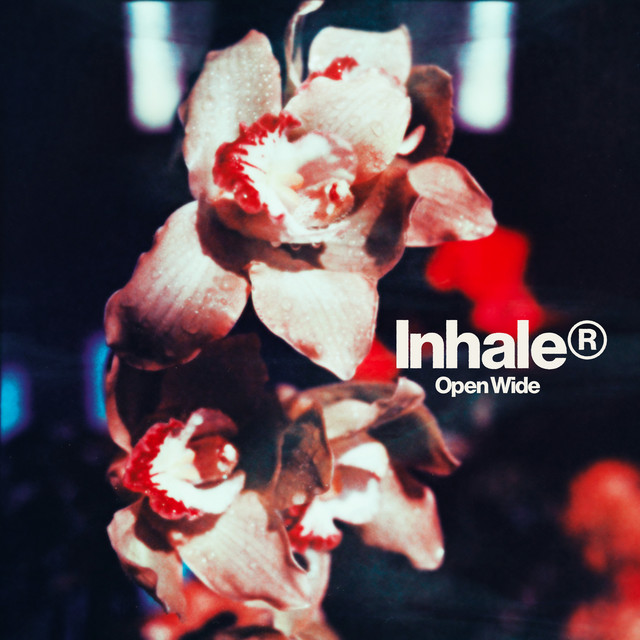
Inhaler cemented themselves as a band to keep an eye out for with their album Open Wide, released on February 7, 2025. Dublin-based, the four-member rock and roll band—fronted by Elijah Hewson, son of U2 lead singer—already achieved promising success with past releases It Won’t Always Be Like This (2021) and Cuts & Bruises (2023). But with Open Wide, Inhaler proves themselves not just a forgettable band or a group whose notoriety relies on Bono’s name. Opening with “Eddie In The Darkness,” Open Wide offers a groovy pop-leaning sound accompanied with grungy guitar and swoon-worthy lyrics appealing to youthful heartbreak, love, and yearning. With frontman Hewson on vocals and guitar, Robert Keating on bass, Josh Jenkinson on guitar and keys, and Rya McMahon on drums, Inhaler etches a landscape of sincerity as it reflects on what Hewson called his “quarter-life crisis.” Standouts “Billy (Yeah Yeah Yeah),” “Your House,” “Again,” and “Hole In The Ground” propel the album from a thirteen-track record worth listening to, to a record worth listening to again and again. McMahon’s drumming energizes Hewson’s soft vocals and the ever-present guitar swirls the band’s established rock sound with pop, proving not only that Inhaler breathes on its own beyond “nepo-baby band” expectations, but that the band will continue to explore and evolve their sound through vulnerable lyricism and sonics sure to get stuck in your head. — Heather Thorn
Star by 2hollis
Truthfully, I’m sick of pretentious self-proclaimed “artists” who do no work to engage with the landscape of music they’re attempting to contribute to. It becomes increasingly prevalent with each day that passes that young artists aren’t willing to be vulnerable, to blur the lines between facade and reality. Yet, 2hollis avoids this entirely, despite his overwhelming aim to maintain his image. Star is proof of this; it simultaneously tiptoes across this balance beam of self-awareness whilst occasionally diving into the choppy waters of fame and a swelling ego. I find the star’s commitment to his persona to be admirable and when he does abandon the front, even if just for one song, it is that much more rewarding. Star is expansive, touching on Hollis’ coping with his overwhelmingly sudden fame, before his exhaustingly obsessed fanbase was materialized, and his attempts to meet the expectations of both his family and his listeners. The album is more than just a pretentious proclamation of his own greatness, it’s an exploration of what deems this greatness in the public’s decisive eye. Hollis does what he does best in this project, showcasing his insanely adept production abilities with familiar samples revitalized to amplify his consistent dance beats that last the entire 15-song tracklist. Beyond the album itself, in interviews and press, 2hollis has solidified his duality as he humbly cites his best friends and the main source of inspiration as well as nature and his family. Somehow he makes it work, this balancing act between this almost spiritual praise of himself and a grounded return to reality with Hollis sobbing on stage and allowing himself to shed this protective layer. — Sophie Parrish
Phonetics On and On by Horsegirl
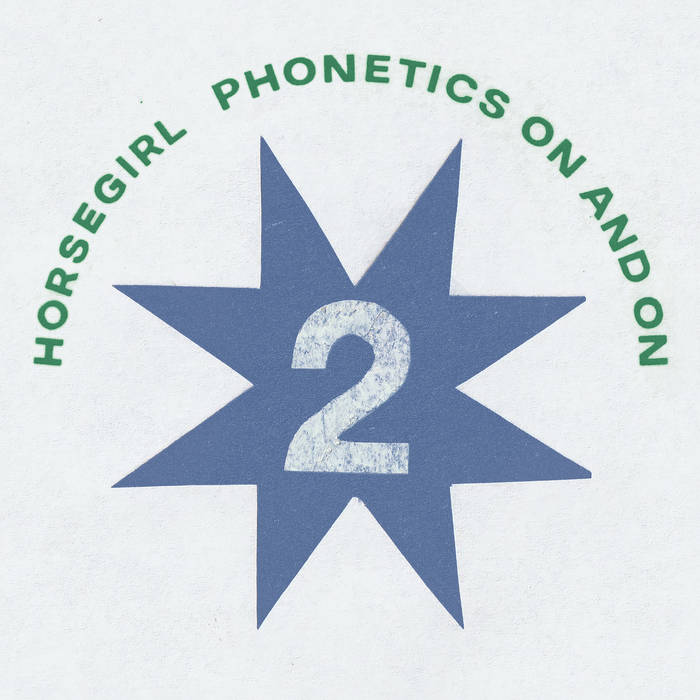
Horsegirl’s sophomore record, Phonetics On & On, sees the Chicago trio stripping down their sound to quieter, more playful pop sounds. Their first album, Versions of Modern Performance was a fervent homage to latter day indie rock legends—from Sonic Youth to Interpol to My Bloody Valentine. Phonetics retains the same cheeky nod and wink to the past—this time channeling the likes of The Velvet Underground and The Raincoats—but it also sees Horsegirl breaking into new territory. Take the drunken violin on the first single, “2468,” or the hopscotch-lyricism of “Switch Over,” and find an infectiously danceable quality on the album. Then on the slow-pulsing ballad “In Twos” or the heady vulnerability of “Frontrunner,” Horsegirl shows their emotions more earnestly than ever before. It is a record made during their transition from home and youth in Chicago to adulthood in New York; it captures that whirlwind of excitement, spontaneity, and mourning with clarity. — Christian Jones
Instant Holograms on Metal Film by STereolab

Instant Holograms on Metal Film is a Stereolab field guide–a record of constants, outliers and experiments with a reliable control variable. This collection of songs doesn’t change the way you think about music like early Stereolab, but there must be credit given to the fact that they have created a completely unique sound that they can now live in. The record provides a comfort in the constant, a safety, and reveling in what you’ve already conquered. The euphoria of letting “Transmuted Matter” seep into your ears as the sun hits your face and you smell the color green. The pinball arpeggio sprinkled throughout the record contrasts the melodic vocals and hearty groove in a way that feels inspired. Listen when you are lying in the grass with your bare feet in the dirt. Or on a bicycle ride through a tulip field in Holland. Another Stereolab album that sounds exactly like Stereolab, but who doesn’t love the satisfaction of getting exactly what you expect. — Avery Piazza
The Passionate Ones by Nourished By Time
Nourished by Time’s sophomore album, The Passionate Ones marked the beginning of a new era in electronic pop and established Marcus Brown as a true visionary. The twelve-track project is confident, texturally unique, and convention shattering. Released on August 22nd, The Passionate Ones effortlessly balances rich lyricism with dense, experimental production. Every track is inventive and unique, yet tethered to this sonic world of his creation, allowing the project to feel cohesive. The sixth track, “9 2 5,” is a personal favorite of mine, as it captures Marcus Brown’s range as both a performer and a producer. It feels that on this record, he has finally settled into his sound, balancing emotion and vulnerability with unbelievable sonic innovation. This newfound confidence paired with Brown’s musical expertise and attention to detail is going to be a dangerous combination. Nourished by Time’s break into the mainstream feels long overdue, and they are certainly a name to watch out for in the coming months. — Maddie Decina
Older (and Wiser) by Lizzie McAlpine
Lizzy McAlpine has been put under the umbrella of pop girl stars like Gracie Abrams and Sabrina Carpenter yet she deserves the lyrical recognition and praise of artists like Adrianne Lenker and Phoebe Bridgers. Her style has greatly matured since her last album release in five seconds flat in 2022. Older was released in early 2024, the deluxe version of the album Older (and Wiser) came out almost a year later with 5 new tracks and 2 live recordings. Amongst these 5 tracks are two of McAlpines most popular songs- “Pushing It Down and Praying” and “Spring Into Summer” which have gained over 100 million streams each. Through the YouTube documentary “Lizzy McAlpine- Older: The Making of The Album,” you get true insight into her creative process and meticulous practice. “Pushing It Down and Praying” is from a voice memo McAlpine recorded of the song idea with production layered on top. Older (and Wiser) reveals an artist with emotional precision in her lyricism. By allowing listeners into her creative process and preserving the intimacy of live takes, Lizzy McAlpine continues to prove her emotional transparency that positions her as a lasting voice in modern songwriting. — Katie Lew
Black Star by Amaarae
Coming off her pop hit Fountain, Baby, Amaarae bursts through the scene with energy that screams IDGAF. With BLACK STAR she confirms her status as a top tier pop star who does it just for the love of the game. The fundamental value of this record is to get as high as possible and be the baddest bitch in the club. This is not unlike the messaging in Amaarae’s earlier releases but in BLACK STAR she is unleashed. She not only exudes this energy but she forces it upon the listener, transforming the carefree attitude as soon as you hear the trumpet-like synth rally call of “Stuck Up.” Her classic afro-beats base with acoustic appearances are nuanced with hints of jersey club, underlying techno phrases and entrancing vocal dynamics. With features from Naomi Cambell, PinkPantheress, Bree Runway, Starkilla, Charlie Wilson and Zacari, Amaarae infuses these collaborations into the artistry of this album, offering a fusion of styles without losing her iconic sound. Once again, Amaarae puts forth a 45 minute collection of contagious rhythm that you cannot resist being infected by. — Avery Piazza
Riviera by The Hellp
The duo Chandler Ransom Lucy and Noah Dillon have become the self-proclaimed leaders of indie sleaze revival movement with each of their new releases. Riviera released on November 21, 2025 took their formerly distinct and iconic electroclash style and swayed more into punk indie rock. The album felt like an ode to Los Angeles with multiple tracks referencing the city along with dreams of chasing industry praise. The first track “Revenge of the Mouse Diva” says, “When you live on the Walk of Fame, don’t forget, you can walk away/ just a dream” while the second track “Country Road” along the same lines says, “Country road, take me home/ but this ain’t West Virginia/ This is LA, I’m on Sunset/ Driving home and I’m all alone.” This rapid rise to stardom and increasing attention is reflected in their lyrics as that vulnerability is stripped and revealed where there was once overpowering production. Although this album has not received the same recognition or acclaim as their two other albums LL and Vol. 1, they pride themselves in this release being a future classic. Being only a month since its release, Riviera has already begun to carve out its own unique space in their discography. — Katie Lew
Goodness by feeo
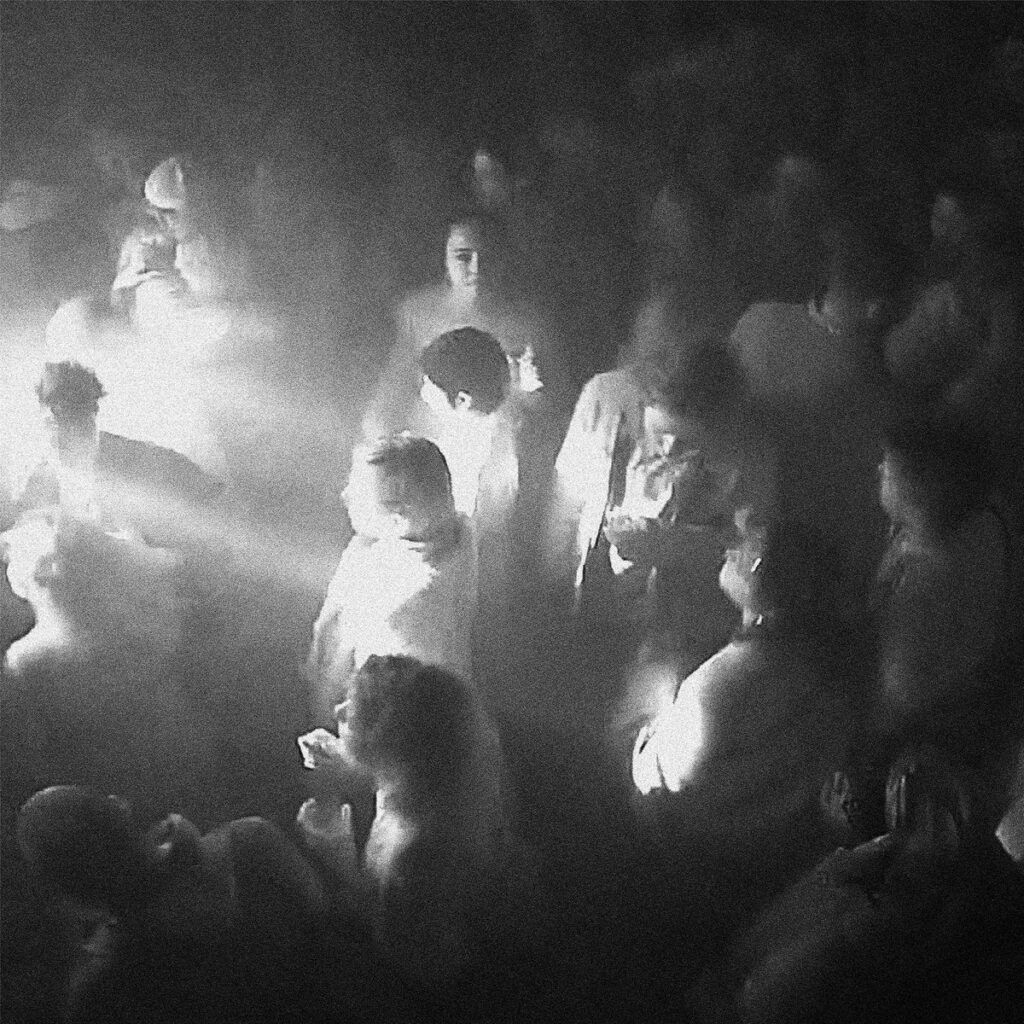
The London singer feeo’s sophomore project, Goodness, is a post-genre soundscape held together by the gravity of existential dread. In a grey and grainy haze of drone, ambient, and electronic, feeo sing-whispers images of visceral beauty. “The nail pierced the drum/ Tore it to pieces/ Like splinters/ From cherry pits under my tongue,” she sings on “The Hammer Strikes The Bell.” Across the album, feeo shifts the dimension of her scope from collective anguish to the most intimate corners of herself. On the bleak “Here,” feeo’s delicate voice buzzes with the specter of death over our mundane city lives: “Count our minutes up like lost loose change/ swallowed whole by the smoke and the cold/ through the pipes and the unmarked graves/ filled with city bones/ forgotten things and old mistakes.” Then, in a turn of tone, feeo’s musings become a wellspring of quiet desperation, “You keep the darkness from my door/ and I watch the light keep on burning bright behind yours.” The album is a photographic negative of our alienated, late-Capitalistic world—the darkness within is on full display, but there is also light in unexpected places. — Christian Jones
Through The Wall by Rochelle Jordan
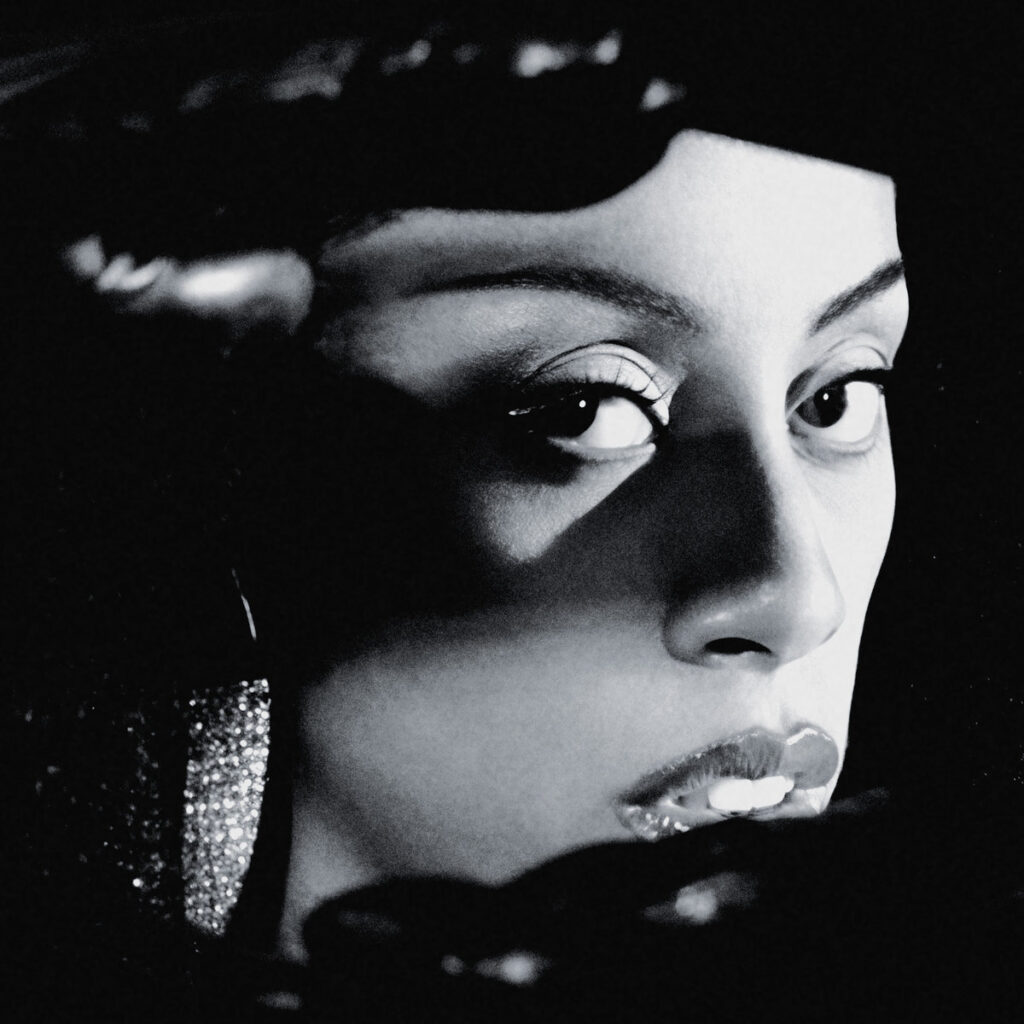
Following this year’s trend of pop icons cementing their status in the music sphere, Rochelle Jordan follows the pilgrimage to stardom with Through The Wall. The 90s hip-hop beats paired with a dance-pop essence under her R&B vocals make this album a smooth and sensual listening experience. The pulsing energy of the record is a thesis on the comeback of house music drawing from traditional house pillars and expanding on them by fusing genres and electronic sounds. Jordan has been mastering this throughout her whole career and with Through The Wall, she strikes the sweet spot in a way that feels satisfying to the listener. Jordan comes at this album with a self-affirming confidence in her own sound that puts this record on the map. And now, we send it to the pop cannon–a blueprint for the future of house-pop. — Avery Piazza
Double Infinity by Big Thief
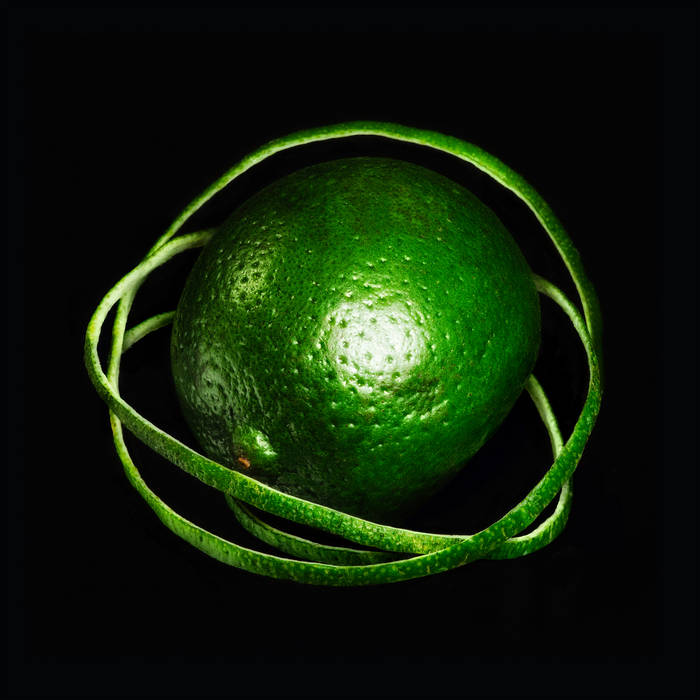
Big Thief’s latest album, Double Infinity, finds them more grounded and comfortable than ever in their sound. After years of steadily expanding their musical range, this release feels like a moment of settling in with more of a confidence in who they are and what they can do. Rather than chasing something louder or more ambitious, the band leans into the beautiful melodic songs they know they can make. It was a very warm and comforting experience listening; while nothing was groundbreaking, it did not need to be. There isn’t really one song that steals the spotlight, and that restraint works in the album’s favor. Lyrically, the album leans into a quieter, more thoughtful space. Lenker focuses on everyday moments, memories, and feelings that aren’t always easy to put into words. While the storytelling is never exactly the easiest to follow in a Big Thief song, each song on this album had a specific feeling and memory it brought back; it felt like they intended for people to be able to get their own meaning out of the songs. Compared to earlier releases, this album doesn’t aim to be overwhelming. Instead, it offers consistency. It’s the sound of a band fully settled into who they are. — Griff Giacchino
Ego Death at a Bachelorette Party by Hayley Williams
Two decades into her career, Ego Death at a Bachelorette Party solidifies Hayley Williams’ status as the queen of emo. But on her third solo project, the teenage angst of early Paramore has grown up into a mature kind of alt-pop melancholy. Initially released as a collection of singles, the album has all of the songwriting sensibilities that are a mainstay of Williams’ music, but with a new level of unflinching lyrical vulnerability. Over the hour run time, Williams airs out grievances with everyone from ex-boyfriends to music industry leeches to Christian nationalists, sings euphoric love songs to antidepressants, and on “Parachute,” the album’s closer, gives listeners a glimpse into her soul that feels equal parts privilege and gut-punch. Despite its run time, Ego Death… avoids feeling bloated; dipping into indie rock on “glum,” whimsical art-pop on “Love me Different” and even something veering on trip-hop at times, Williams and producer Daniel James keep the listener on their toes. It has more in common sonically with Liz Phair, Alanis Morissette, and Robyn than Paramore’s early releases, but still feels like the mature conclusion of that teenage angst. Most of us who spent our teenage years living vicariously through Hayley Williams have now grown up, stopped changing our hair color, and become pessimists where love is concerned, and for us, Ego Death… hits right to the heart. — Mimi Newman
Headlights by Alex G
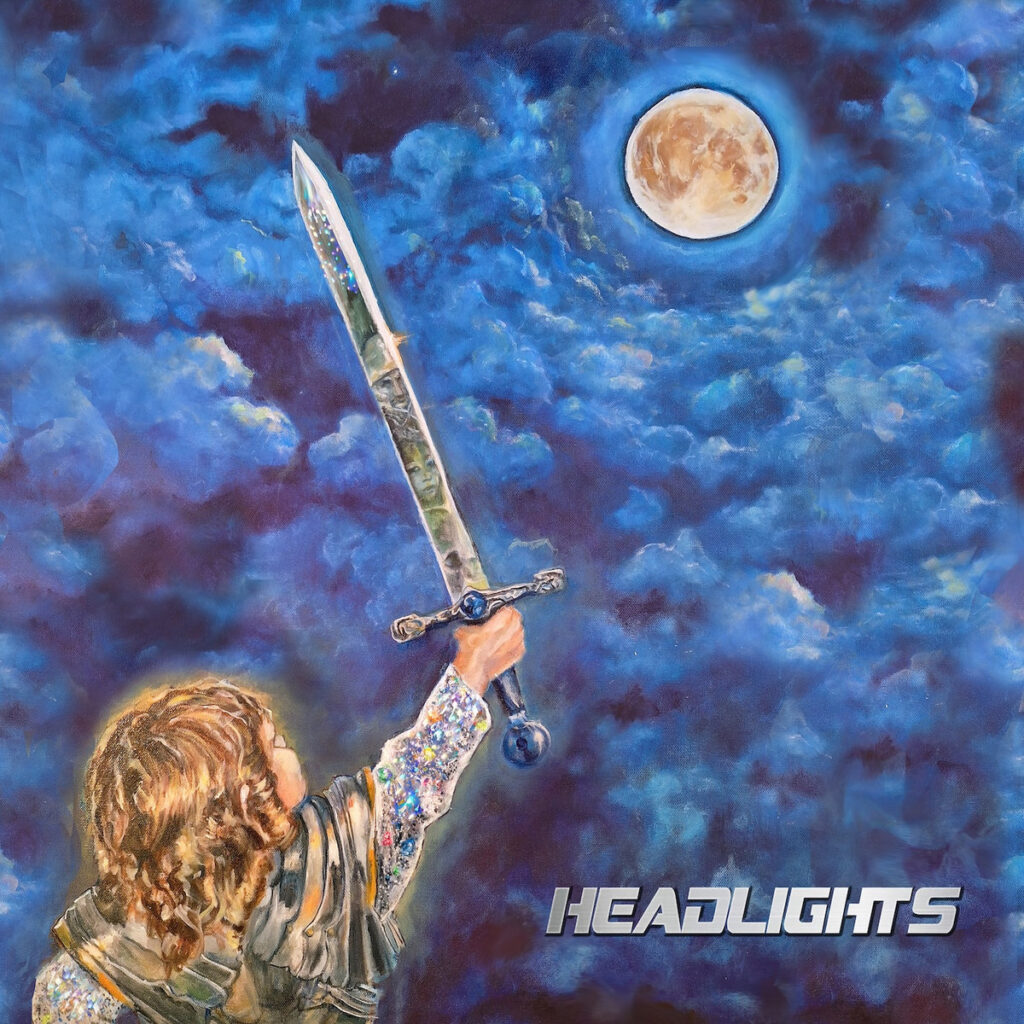
Alex G’s Headlights, released July 18th this summer, marks the artist’s 10th studio album at the age of 32. After spending a lifetime creating music by himself in GarageBand, Giannoscoli diverged from entirely self-producing his music to a mix of DIY and studio recording in his 2022 album, God Save The Animals. Giannoscoli worked with producer Jake Portrait—recording Headlights in a variety of studios in Philadelphia and New York. Now a father to a 2-year-old son, the album features a shift in lyrical focus. Once, writing frequently about the intense emotions of youth, often through the voices of fictional characters, Headlights poses questions of fatherhood, selling out, and what it means to make it big in the music industry. Giannoscoli’s latest album stands out as calmer than the rest of his discography. Instead of wrestling with the intense and tumultuous nature of growing up, Headlights offers a maturity in its reflections on the journey of becoming who you were meant to be. — Hanlon Lowther
Addison by ADdison Rae

Since the breakout success of “Diet Pepsi,” more and more people have been tuning in to Addison Rae’s music, and hype built up for her first album, Addison. The many singles leading up to the album’s June release, like “Headphones On” and “Fame is a Gun” entrapped listeners. But after so many amazing releases, despite being an Addison fan myself, I grew afraid the album wouldn’t live up to my high expectations. There had to be a dud somewhere, right? She proved me wrong on June 6th, 2025. From the opening track “New York” to the dreamy “Summer Forever,” I was entranced by every song. I found myself listening to the album on repeat, no skips. Like the singles, each one was noticeably different in tone and sound, yet cohesive as a collection. Like the colorful album cover, each song swirled into a beautiful painting. It’s rare I find an album so unified and strong, let alone an artist’s first album. I’m still listening as this year ends, and hoping 2026 brings more from Addison Rae. — Lily Suckow Ziemer
Revengeseekerz by Jane Remover
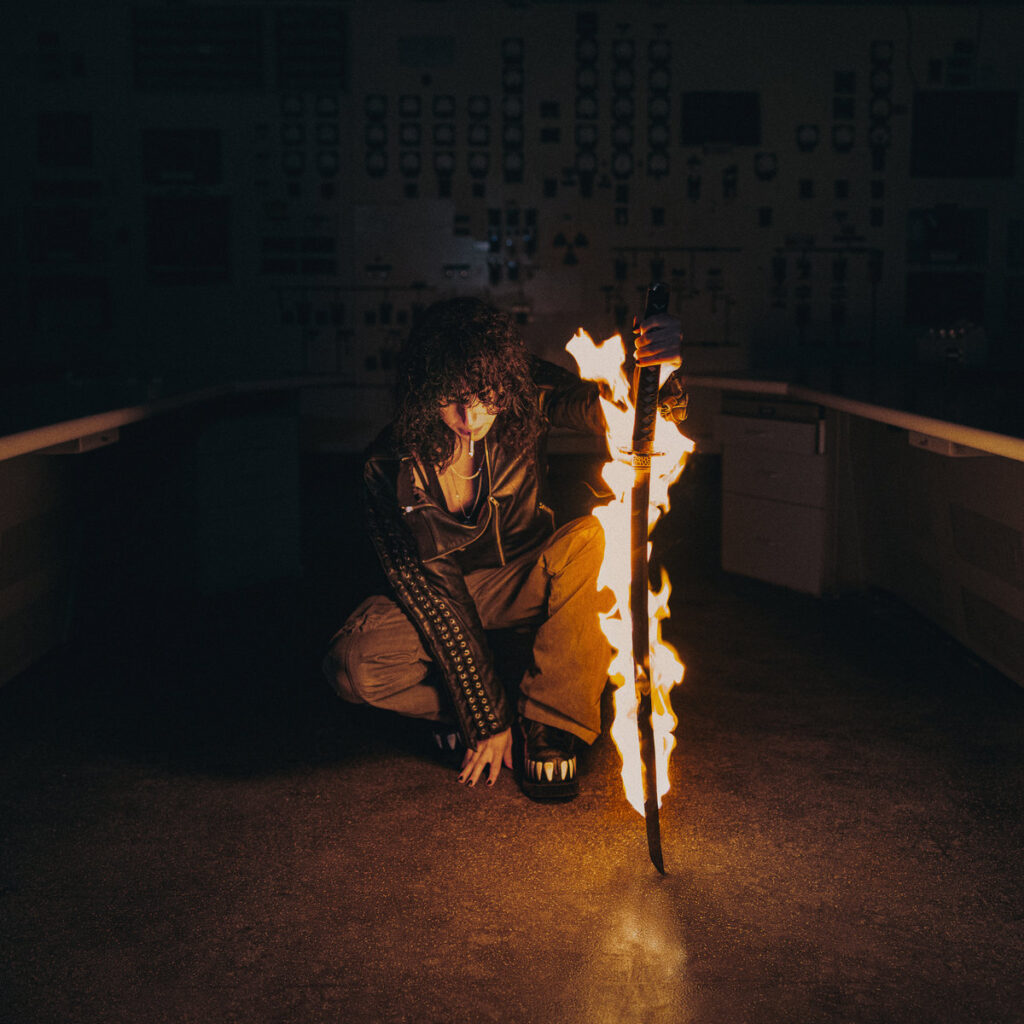
Revengeseekerz is a masterclass on controlled chaos. From start to finish, the album is sonically overstimulating with sample origins ranging from The Craft and Neon Genesis Evangelion to Wii Sports, Pokemon, and Fortnite sound effects. Yet, in the midst of this chaos is a steady beat characterized by bass-boosted glass breaking and maximally glitched synth arrangements. In the ride that is listening to Revengeseekerz, there is always something to hold on to, something to ground you in the distinct presence of Jane Remover themselves. The project is proof of Remover’s stylistic abilities, it is miles away from anything they’ve ever produced before, their electronic influences taking a forefront to their previous employment of dreampop elements. It’s been a pleasure to watch Remover’s evolution over the past five years, it seems that now, more than ever, they’re taking shape and solidifying themself as a force to be reckoned with in the evolving landscape of young producers. — Sophie Parrish
Forever Howlong by Black Country, New Road
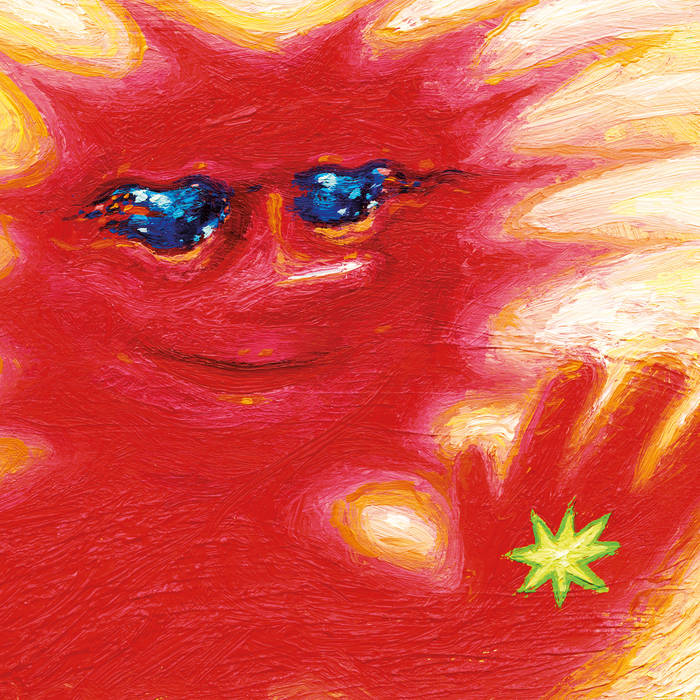
Black Country, New Road’s Forever Howlong takes root in the warmth of friendship. The album’s tracklist explores imaginative stories of medieval knights and an unwavering appreciation for the simplicity of childlike wonder and bonds. While the lyrical and thematic material of the project is, indeed, jarring to BC,NR listeners who have witnessed the band’s origins and parting from such, the band’s commitment to instrumental exploration has remained intact after a tumultuous few years. I think their evolution feels natural given Wood’s premature departure from the group. It seems like they’re trying to highlight the imaginative capabilities that have always stayed at the core of the band’s values while putting a spin of newfound positivity on it. Now, more than ever, each member of the band is given an opportunity to showcase their strengths, everyone coming together to harmonize and riff with no creative limitations. Radiating with tender comfortability, Forever Howlong is a project that characterizes itself on its unique means of both pushing boundaries that have been established for the band while also settling for a sonically familiar soundscape. A project of nonsensical whimsicality and pure childish fun, BC,NR’s Forever Howlong is an album that proves to the band and listeners alike that they have outgrown the exhausting limitations of overtly designated labels. — Sophie Parrish
Lux by Rosalía

With the follow-up to her iconic 2022 album, Motomami, Rosalía once again proves why she is among the most fascinating artists in music. Released on November 7th, LUX took both the charts and choir-based remix culture by storm. Her unbelievable vocals, paired with bold production techniques, have solidified this record as one of the most versatile of recent memory. Despite her “mainstream” status, I still believe that Rosalia is wildly underrated. Beginning her career as a classically trained flamenco singer, her technical ability is unmatched, but what really sets her apart is her willingness to experiment with that ability. For example, she and her production team decided not to use any vocal loops on this record. In a world of AI-generated everything, it’s inspiring to see an artist committed to keeping their work authentic. Major credit is also due to Noah Goldstein and Dylan Wiggins, Rosalia’s primary producers and longtime collaborators, as LUX is an absolute masterclass in pop production. The record itself is fully conscious of its scale and influence, making it the perfect predecessor to Rosalía’s first all-arena tour coming up this spring. — Maddie Decina
Big City Life by SMerz

Smerz makes small music with gigantic feelings. On the brilliant Big City Life, the Norwegian art pop duo have created music for the moments that precede something huge. The tracklist illustrates the tale of finding oneself in the city for the first time, from seeing old Tinder matches in horrendous shoes from across the bar, to the pep talks we give ourselves in the mirror before a hard day. Over quirky synths and plodding, lo-fi drum machine beats, Smerz get at the core of the small things that make life so extraordinary. On the gorgeous “You Got Time And I Got Money,” singer Catharina Stoltenberg sings of the things that make her partner worth loving: not personality or looks, but the smell of laundry detergent or the restaurants they pick. Big City Life may not be music for a party, but Smerz knows that getting ready is usually the most exciting part. — Bennett Himmel
Live Laugh Love by Earl Sweatshirt
Earl Sweatshirt’s hit his thirties. He’s also entered fatherhood. The title, Live Laugh Love, that memeified platitude probably hanging up in a rope-lined Marshalls frame in some suburban white woman’s beach-themed bathroom, acts as a post-ironic mantra for Earl’s newfound apprehensions—after all, with great responsibilities come great anxieties. There is no shortage of Live on the album, taking the form of stress or “exhaust,” where Earl says “At the end of the day/ It’s really just you and whatever you think/ I’m airmailing you strength.” Like any pragmatic parent, he does more with less—a denser minimalism that still captures axiomatic truth: it’s all up and down or a matter of perspective. But when it gets heavy, Earl goes anti-gravity gun, all in good fun. There’s a lot of Laugh, as a kind of cough syrup to Earl’s stressors. With a “Gamma ray flow” on “Gamma (need the <3),” Earl oscillates between prophetic and goofy absurdism, rapping, “Shame’ll have you stammering, quick change of plans/ To go ape like James Cameron, danglin’ off the Empire State.” And, like coming home at the end of a long day, lines about Love make it all OK. On “TOURMALINE,” over a smooth string instrumental, Earl raps “She found me on the streets, she vowin’ to keep my feet grounded/ For my sweet child, the struggle not a team sport.” Earl isn’t just making it light, he’s found him some too. — Christian Jones
Our Top 10!
10. Debí Tirar Más Fotos By Bad Bunny

2025 featured an ongoing political trainwreck, but Bad Bunny’s latest album, Debí Tirar Más Fotos, brought listeners to paradise amidst the chaos. Released on Jan. 5, Bad Bunny, otherwise known as Benito Antonio Martinez Ocasio, has listeners in all the emotions all at once. The album continues his history of Boricua party anthems, but also marks the beginning of an explicitly anti-imperialist era. Track 16, “DtMF,” is a shorthand for the album title. The song went viral immediately and had many waves of popularity throughout the year due to its universal application. In reflection of the entire project, “DtMF,” reminds listeners of a simple notion: take a picture—it’ll last longer. Distinguishing the album from Ocasio’s past projects is the mix of traditional and contemporary Caribbean music genres such as salsa, bachata, reggaetón, bomba, and dembow. The opening track, “Nuevayol,” pays homage to the largest Puerto Rican diaspora outside of the island. Ocasio samples the iconic 1975 salsa song, “Un Verano en Nueva York” by El Gran Combo de Puerto Rico, bringing nostalgia to the forefront of listeners’ minds. In the months following the album release, tons of videos surfaced online of young Puerto Ricans playing the song for their older family members who don’t usually listen to Bad Bunny due to his sexually explicit lyrics. The familial connection made by sampling the salsa song is something unheard of within the Puerto Rican community. Connecting all Boricuas, on and off the island, is the innate desire to dance. This is something Bad Bunny emphasizes in “Baile Inolvidable”: “No, no te puedo olvidar/ No, no te puedo borrar/ Tú me enseñaste a querer/ Me enseñaste a bailar”. The track features solos of brass horns, bongos, and a güiro, each fundamental to traditional Puerto Rican music. Horns transition from modern synth to bachata a minute into the song, giving fans a false sense of where Ocasio is going with the song. Music harbours a wild amount of power over Puerto Ricans. We must dance. No exceptions. “El Clúb,” track 7, brings a whole new meaning to crying in the club: “Los muchachos piensan que yo estoy contento/ Pero, no estoy muerto por dentro”. Everyone thinks Ocasio is having the time of his life, but guess what, he’s literally just a man thinking about his ex: “¿Qué diablo estará haciendo?/ ¿Estará jangueando o estará durmiendo?/ ¿Estará fumando o estará bebiendo?/ ¿Seguirá sola o está saliendo con otro que no soy yo?, no soy yo.” Coinciding with heartbreaking lyrics is the somber scrape of the güiro on track 14. “Lo Que Pasó A Hawaii,” is a socio-cultural warning–Ocasio uses Hawaiʻi as an example of what may happen to Puerto Rico. The beats hardly hide the terrifying reality of both islands: “Se oye al Jíbaro llorando, otro má’ que se marchó/ No quería irse pa Orlando, pero el corrupto lo echó.” Hawaiʻi and Puerto Rico are now under U.S. rule, but the land was stolen, not given: “Quieren quitarme el río y también la playa/ Quieren al barrio mío y que abuelita se vaya”. Debí Tirar Más Fotos serves as a musical education. Bad Bunny simultaneously protected the livelihoods of his fans and dissed the current administration by skipping the entire country on his 2025 tour. Well, except for Puerto Rican residents. Was I upset? Duh! But then I thought about it for one second and came to my senses. This is not about Benito’s fanbase, but about making a statement as an individual with cultural influence. Could this action have influenced the Super Bowl pick? I don’t know, maybe. Regardless, the message is clear: Puerto Ricans are American, we have a tragic past to prove it. But lack of sovereignty doesn’t kill perreo. — Eleniz Cary
9. Radio DDR by Sharp Pins
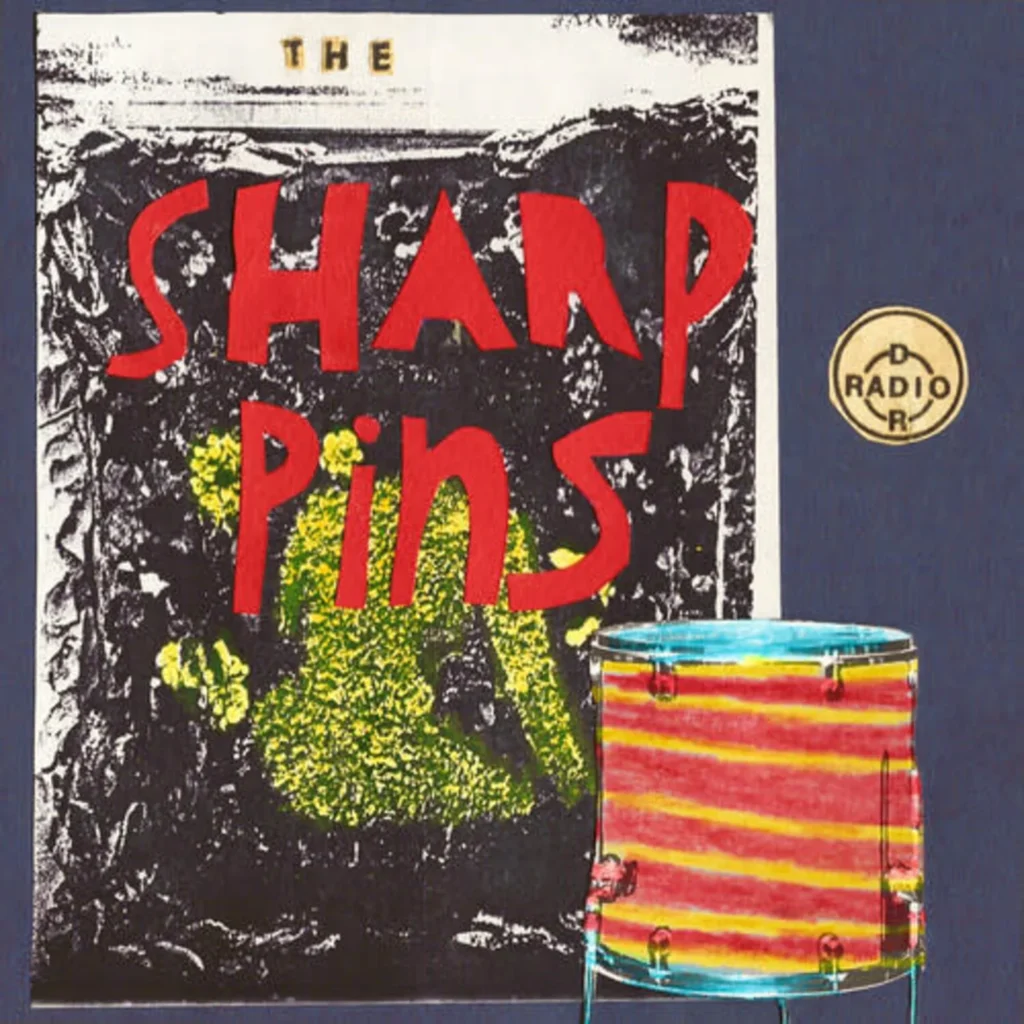
Radio DDR sounds like a long-lost treasure scavenged in the bottom of some shoebox full of cassette tapes sitting in a dusty garage—the kind of album that would circulate in small channels of if-you-know-you-know music heads—but it is, unbelievably, the sophomore project of a twenty-year old. Sharp Pins is the solo project of Kai Slater, who is also the guitarist and occasionally the vocalist for the Chicago band Lifeguard. Unlike Lifeguard, with its chugging post-hardcore sound, Slater’s Sharp Pins favors a sweeter, more jangly pop-rock. What makes Radio DDR so impressive is that for as much swooning and yearning Slater does on the album—as lyrically saccharine as he is nostalgic for the sounds of the ’60s and ’70s—it never sounds cliché. The 14 miniature but potent tracks that comprise Radio DDR are the offspring of earlier romantics: The Beatles, Cleaners from Venus, the Kinks, Guided By Voices. Slater’s lyricism is unabashedly confessional. He feels himself invincible “With A Girl Like Mine,” enough so to confess his surrender—to bliss or hurt—“All I do is cry.” Throughout, a warm analog sound saturates Slater’s voice and turns up the instrumental punch. When there is a guitar riff, it’s deliciously gritty, as on the frustrated “When you know.” Slater responds to the old adage “When you know, you know” with another contradictory one: “But every time it sparks, it’s always the wrong time.” If the right person always appears at the wrong time, is it even worth it? Apparently so, because even if you couldn’t tell her, “She knows, you know/ you don’t have to tantalize your fear.” Slater flits around his regret with jarring clarity. The sting of heartbreak becomes a doorway into the realization that it’s all ephemeral—youth, love, hope. On “You Don’t Live Here Anymore” he makes a martyr of his undying passion: “And if I was to remember you in this state/ My bones would break but never my love.” Then Slater repeats to himself “You don’t live here anymore” as if to confront reality, followed by a curt “I don’t love you anymore.” He’s leaned headlong into the sugar rush, all the way out to the other side. Some moments are emotionally direct even while lyrically sparse—take the fragile “Sycophant,” where Slater’s “doo-doo, doo-doo”s lament with the guitar in perfect harmony. Save for Slater’s faux British accent, it’s a remarkably earnest album in our sea of ironic to post-ironic reservations, and it feels no less wise. After all, the ironists had to get burned by something before they turned apprehensive. Instead Slater looks at ephemerality from the inside—“‘Cause you’ve got time, don’t wanna waste it all,” he sings with urgency on Storma Lee. Radio DDR voices the timeless truths of young love and growing up without getting discouraged by our era hyperaware of its own collapse. Climate crisis. Genocide. Techno-surveillance late-stage capitalism. Slater’s response? Feel, feel, feel. Without fear or remorse. Radio DDR is also a gleaming precedent: Gen-Z voices are finally being canonized in the annals of music history. From the Hallogallo scene—Horsegirl, Friko, Lifeguard, Sharp Pins—to others—Geese, Cameron Winter (he deserves his own spot)—young bands are announcing themselves to the world. The world is listening. — Christian Jones
8. Perverts by Ethel Cain
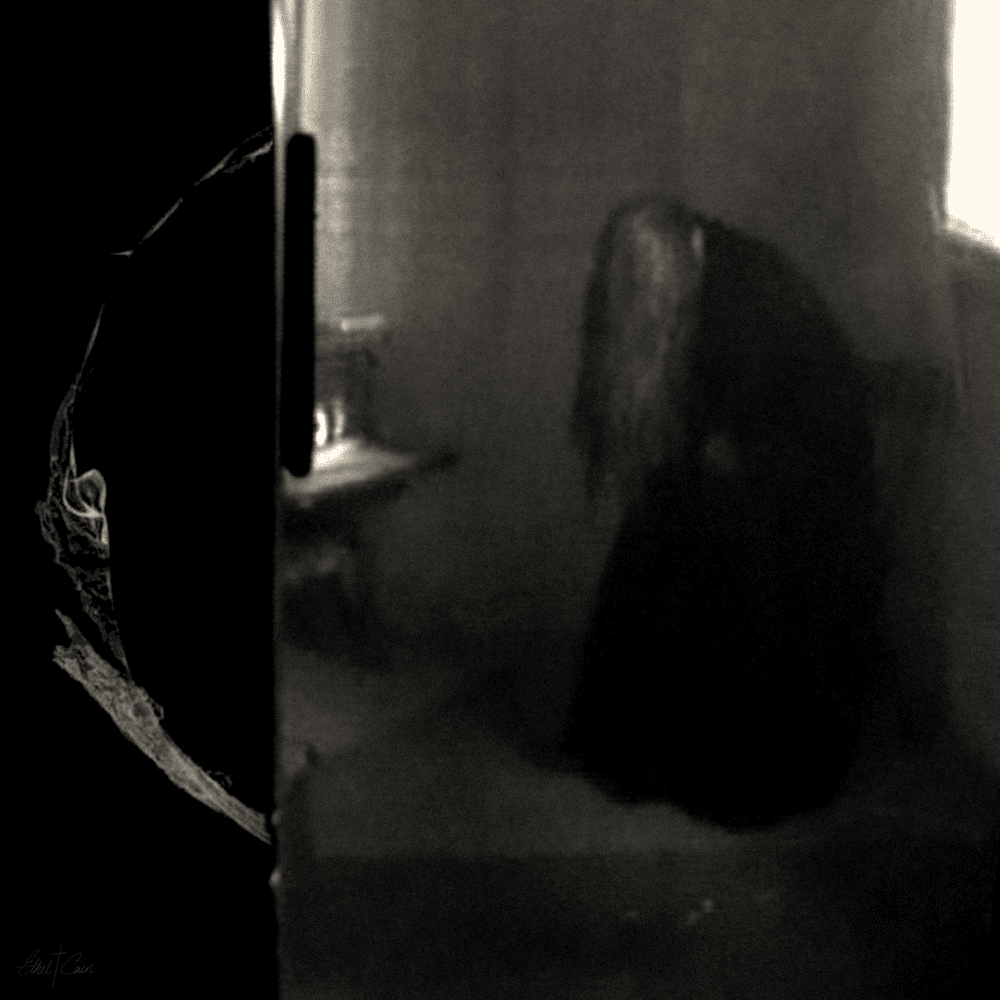
On October 14th, 2024, Floridian singer-songwriter Hayden Anhedönia announced that she would be releasing Perverts, her fourth EP under the stage name Ethel Cain. As a fellow Florida resident and a longtime fan of Cain’s music, it would be an understatement to say that I was excited for this project. The lead single, titled “Punish,” debuted on November 1st alongside a haunting music video, and the album’s track listing and cover artwork were revealed soon afterwards. Perverts was digitally released on January 8th, 2025 and self-distributed by the artist through her AWAL imprint label, Daughters of Cain. At first listen, the album can be intimidating. Perverts only features nine tracks, but many of them are lengthy, with some stretching over fifteen minutes long. Cain took a boldly experimental approach with this project, forgoing traditional song structures in favor of unconventional textures and pacing. It isn’t immediately accessible, and it isn’t meant to be. With no desire to appease her fans or achieve mainstream success, the artist abandoned the popular and familiar sonic elements of her previous work in favor of something far more exploratory. Perverts demands patience and close attention in order to be fully understood, but those who truly listen are thoroughly rewarded. The EP’s titular track sets the tone for the rest of the album immediately. “Perverts” opens with a traditional Christian hymn before developing into a distorted repetition of the phrase “Heaven has forsaken the masturbator.” Cain greets her listeners with a heavily reverbed soundscape, making it clear that she wasn’t afraid to experiment with her sonic direction on this project. Perverts deviates from the accessible americana and roots rock sounds of her previous album Preacher’s Daughter in favor of rich, dark ambient tracks with slowcore and drone influences. The singer-songwriter also used this project as an opportunity to include unconventional musical instruments in her work. On the song “Pulldrone,” which is the longest track featured on the album, Cain plays the hurdy-gurdy, a hand-cranked string instrument of medieval origin. “Punish” is also unique for its prominent inclusion of a lap steel guitar. Perverts, which was preceded by Preacher’s Daughter and followed by Willoughby Tucker, I’ll Always Love You, does not fit into the storyline of the fictional character Ethel Cain as developed in the artist’s conceptual albums. Instead, the main goal of this body of work was to explore different behaviors and ideologies that are considered deviancies by mainstream society. Perverts is, both thematically and tonally, much darker and more morbid than the EPs that preceded it. Strong imagery of shame, societal judgement, forbidden pleasure, and religious trauma permeates the lyrics, reminding listeners of the often dark or painful consequences brought about by intimacy. This is particularly true of the songs “Onanist,” “Punish,” and “Amber Waves,” which focus on a masturbator, a child abuser, and a drug addict respectively. Perverts by Ethel Cain coaxes its listeners into an auditory environment that is hauntingly intimate. It almost feels as though the music doesn’t leave you, even when the album has finished playing. It lingers in the air and in your mind, long after the final track has faded out, and it brings new emotions to the surface every time. With all of its artistic depth and ambition, Perverts isn’t just an album to be listened to, it’s a work of art to be experienced. — Emma Chopin
7. Essex Honey by Blood Orange

Blood Orange’s Essex Honey is a liminal record: as sentimental about the warmth of returning home as the tragedy of finding it changed and nothing as you remember it. Following a period of sporadic output—2019’s mixtape Angel Pulse, 2022’s Four Songs EP—Dev Hynes began questioning if his project had run its course. Elsewhere, Hynes was busy creating and collaborating with other artists such as the electro-pop group Sassy009 and beloved R&B singer Daniel Ceasar. Hynes even composed the soundtracks for the 2019 film Queen and Slim and Luca Guadagnino’s short 2020 series, We Are Who We Are. While his output elsewhere was soaring, Blood Orange wasn’t fading into obscurity—instead his previous output garnered new attention and acclaim. Classic songs like “Champagne Coast,” “Best to You,” and “You’re Not Good Enough,” surged on TikTok and Instagram, made popular in edits and TV show features (Euphoria and Skins). The versatile musical savant has become somewhat of a canonical influence on the sonic landscape of teenagehood and so much other music over the last decade—from FKA twigs to A$AP Rocky to Sky Ferreria—that there are articles dedicated to sleuthing out his influence. All that to say, Essex Honey is the most personal thing Hynes has put out thus far. In 2023, his mother died and he found that his path to understanding grief was written in songs. The album’s first track, “Look at You,” opens with hazy technicolor synths in true Blood Orange fashion, before a melange of saxophone, choir, and skittering drums pulses in and out—a premonition of what’s to come. Before the track concludes, Hynes strips it down to vocals expressing his raw bewilderment: “How can I start my day/ Knowing the truth/ About love and a loss of youth?” If Blood Orange’s signature is a sonic collage of past and present, on Essex Honey he binds the old family photo album together with an iridescent glue: the knowledge that mourning is a kind of searching. There is no shortage of grief on every track. The vaguely new wave “Mind Loaded” is full of punctuated lines like “Still broken, can’t think straight/ Mind loaded, heart still aches.” On the skittering “Vivid Light,” which features the Zadie Smith, Hynes composes his way out of a bout of writer’s block: “It’s like you’ve never touched/ A six string guitar/ And the more you write/ You never get far.” The tense guitar strums on “The Train” mirror Hynes’ anticipation about starting to write his feelings: “Stare through the page/ For the first time in my life/ I can’t see too far/ Can’t turn back and the worst is yet to come.” But Hynes also decides against firm answers. “The Field,” featuring a chopped up The Durutti Column Sample & Caroline Polachek, is a bright track, the kind of summertime feeling you get driving down familiar roads with the window down. And on “Life,” Hynes seems to be hyping himself to persevere: “I want to see you make it, make it make it, on your own.” There are moments of levity on the album that serve as a reminder that grief can sometimes feel good, a kind of much-needed catharsis. As he sings on the third track, “And if it’s nothing like they said, it’s somewhere in between.” The moments and musings that make up Essex Honey form a gorgeous cyclical montage—the never-ending catch and release of grief. — Christian Jones
6. MUSIC by Playboi Carti
After five years of waiting we finally got Playboi Carti’s MUSIC on March 14, 2025. The South Atlanta artist teased some graphics related to the album back in 2023 and seemingly procrastinated for the following two years. Fans were disappointed on another level–we were sick and tired of seeing the release date get pushed further out. It’s why when he released the deluxe version on March 25, he tagged on an apology. MUSIC – SORRY 4 DA WAIT has four extra tracks, which are hardly noticeable. Not that they’re bad, but come on, there’s 30 tracks on MUSIC alone–sorry if the extra fifteen minutes from deluxe gets lost. Safe to say this is the kind of album that requires dedication–you need to listen three times minimum just to get your head wrapped around the diamond hard beats. Serving as the gateway to the purest never-ending hype is “Pop Out,” as it sets the precedent for the whole album: “I’m a reject, but i’m still turnt, yeah/ Push the f*ckin’ dash ‘til I see dirt, yeah.”MUSIC is a major collaboration between Carti and his musician bffs. Perhaps the “My Little Pony” theme song said it best: friendship is magic. In “Walk,” Carti recommits to his musical companions with support from a cascading trumpet loop: “Made a lotta profit, I might just spin up on your projectTo my day ones, it’s a new beginnin’.” Track 17, “Wake Up F1lthy,” featuring Travis Scott is a tribute to Carti’s producer bestie, Richard Ortiz (he/him), aka F1lthy. The track gives listeners some major FOMO: “Pass me somethin’, ease my soul (soul, soul)/ Two in rotation ‘round they go.” “Evil J0rdan” famously samples The Weeknd’s “Timeless,” featuring Playboi Carti: “Begging on her knees to be popular/ First, I go whip out the boat, no, I can’t hit on no brakes.” Both tracks were met with astronomical praise and a crazy amount of air time–all well deserved. It cannot be proven, but it is believed “Timeless” drowned in magma, and out of the ashes rose “Evil J0rdan,” just like a phoenix. And because they can’t get enough of each other, they got together and made track eight, “Rather Lie.” In true trap fashion, Carti graciously extends his flashy materials beyond his bffs, to his many romantic partners. “Like Weezy” fact checks this notion: “Upside down baguettes, I’ma ice my ho out next (schyeah).” But there’s more to his flashy lyrics than expensive jewelry. All the featured artists are black, characterizing these lyrical flaunts as proof of black excellence. “Trim,” featuring Future, was particularly marinated in black excellence. Many fans, including myself, credit the track to Future because he solo’s most verses, with Carti merely supporting him on the chorus. Luxury items are crucial to the rap genre, but Carti makes it clear his richness is deadly on this track: “Carti on trim like Ebola.” Track 14, “Charge Dem Hoes A Fee,” featuring Future and Travis Scott, also promotes the general wealth and power of black people: “Givenchy, Givenchy from 2002/ Pretty lil’ model run straight through the crew/ Jumpin’ in Prada, b*tch tyin’ my shoe.” Considering there’s an hour and a half worth of music on the deluxe album, “Fine Sh*t” being the only bump in the road is surprising. It’s unlikely Carti meant to highlight his inability to keep a woman, but he does so anyway by saying, “Hey, my bitch so bad, she can’t even go outside/ My bitch so bad, she can’t even post online, huh.” Despite the 140bpm I desperately want in an IV, the woman he’s talking about should go right back to him if he’s really all that and a bag of chips. Not to mention that she should be shown off, not hidden! Take Megan Thee Stallion for example; her boyfriend has the privilege of dating society’s #1 baddie and the public couldn’t be happier that she’s getting the queen treatment she deserves. It’s a blessing! A message for Carti and anyone who agrees with the sentiment he’s giving out on “Fine Sh*t”: stop hiding your diamonds, they deserve to sparkle in the sunlight. Carti clearly doesn’t have an issue showing himself off, or his friends for that matter. Perhaps this is why the album is one of the best we’ve seen this year; hiding behind distinctive rhythms and features from successful black artists is Carti’s inability to be secure in his romantic relationship. — Eleniz Cary
5. Blurrr by Joanne Robertson
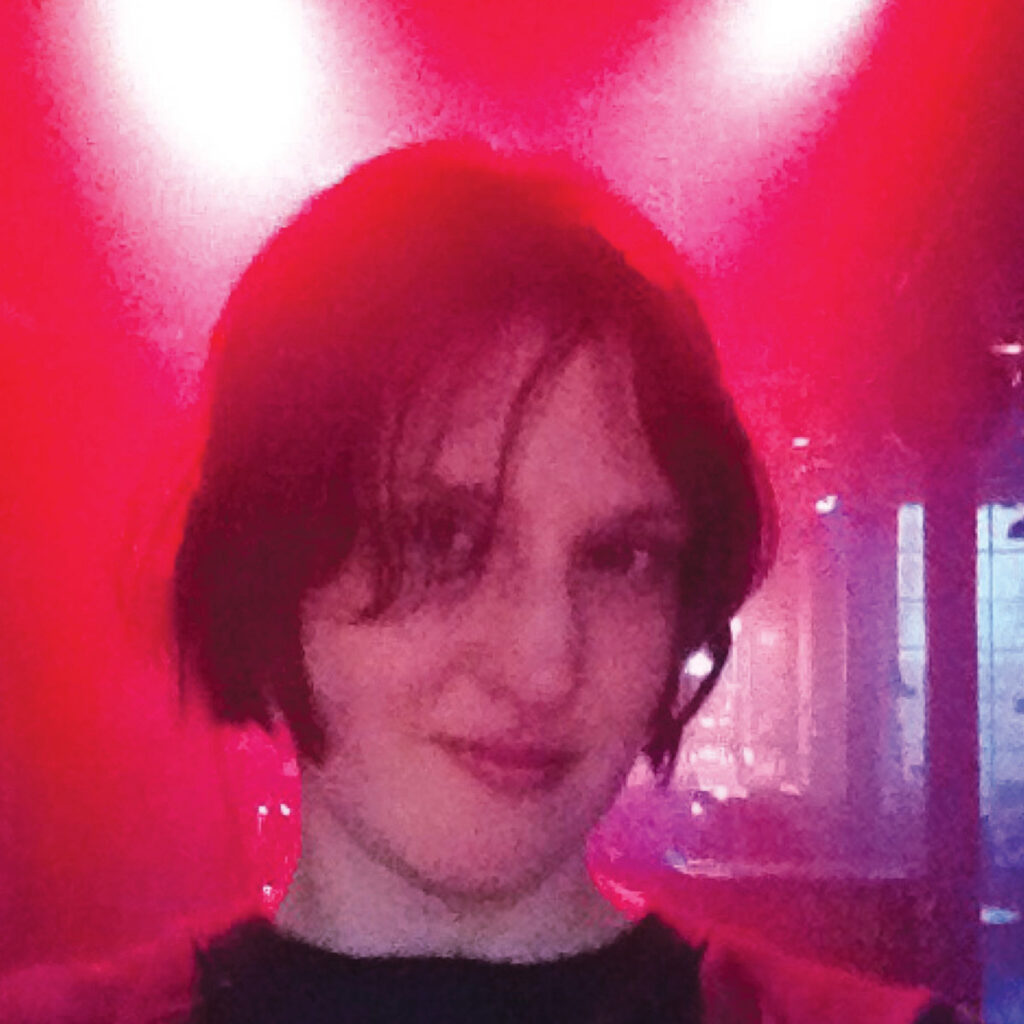
Glaswegian artist Joanne Robertson’s sixth album, Blurrr, is a foggy window smudged by fingerprints. Some bits of haze have been wiped away, but the outside world is nothing more than murk. Somehow, Robertson’s obfuscations paradoxically illuminate feelings and meanings buried deep within that impenetrable world of appearances. This should come as no surprise for an enigmatic artist who also paints evocative abstract-expressionist canvases. It is difficult to identify anything physical in Roberston’s canvases, but in the swirls of color and line you can almost feel the consciousness of the artwork. Robertson’s mystique has grown with her countless collaborations with the elusive Dean Blunt, though it is by no means indebted to him. The latter has become a cult figure, hunted in forums as people track the many personas and aliases he has worn to release music, while Joanne Robertson isn’t anything more mysterious than herself. Just look at her demure smile on the light-soaked cover of Blurrr—she’s hidden in plain sight. In the era of late-stage social media culture, Robertson’s persona, a blend of intimate and unknown, is an interesting alternative to Blunt’s chameleonism. Where Dean Blunt could evoke the disaffection of 2020s doomerism with his deadpan sing-talking, Robertson’s wistful lilt is a muddled blend of intuition and emotion, often over clarity. Robertson’s early projects are willowy, folk-tinged croonings. As a result, her voice is always steeped in the emotion of some personal history, but the exact timeline is lost to tones. On Blurrr, Robertson’s opaque personal mythology is still foregrounded, but there’s more to see on the other side. With the help of cellist and composer Oliver Coates, Robertson’s interior musings become entire landscapes. On the orchestral “Always Were,” Robertson sings “And I’d run away with you/ Just to see you,” as Coates’ strings swell in a headlong rush, voice and ensemble melding in bliss. The six songs on the album without Coates are nearly just as vast. On “Why Me,” Robertson hums out abstract images that, in their obscurity, seem to bear resemblance: “Desert in your hands/ And I wait in the sunlight/ You’re everywhere and nowhere in the morning.” Robertson’s voice echoes on “Ghost” as if in a deep, misty cavern. This layering effect, whether by production or recording space, is an expansion of Robertson’s signature sound. Her vocals always bear some mark of wear—like the audio file was pulled from some long-forgotten hard drive. It’s hard to attempt to understand Robertson’s music because, even on its own terms, it resists logical understanding. Perhaps even the laws of physics and knowledge—“I run the world, this reality” Robertson sings on “Friendly.” She continues, incantatory: “You’re out in the sun, you’re out in the street/ You’re lying in my dearest dream.” It’s a kind of automatic oration, last practiced by some ancient Oracle of Delphi. Any grasp of the hand will dissipate the smoke—and all the mysterious visions inside it. — Christian Jones
4. Lifetime by Erika De Casier

I’ve been obsessed with Erika De Casier ever since the release of her, ahem, sensational sophomore album Sensational. Her canny embrace of 2000’s radio R&B mixed with futuristic pop sensibilities was mindblowing to me. Retrofuturism is incredibly prevalent in today’s pop music landscape, but it’s mostly focused on cheesy 80s revival or scuzzy, 90s guitar. De Casier embracing the sounds of artists like Aaliyah, TLC, and Sugababes felt ridiculously cool and unheard of. However, with 2024’s Still, it felt like De Casier had painted herself into a corner. Erika’s overreliance on Y2K aesthetics and Timbaland-indebted production was starting to feel dry; the simplicity of her lyricism and mildness of her vocals began to grind up against the complexity of the production. I began to worry that De Casier’s once mindblowing approach to R&B was beginning to result in diminishing returns. Luckily with this year’s immaculate Lifetime, Erika De Casier has hit reset. Lifetime is a ridiculously sexy, at turns menacing and serene, honest-to-god trip hop album, but its key influences aren’t the usual suspects like Portishead or Massive Attack. Instead, De Casier takes influence from people like Janet Jackson, Madonna, and Esthero. Gone are the tight, danceable grooves of songs like “Ice” or “Busy,” in are boom-bap hip hop samples and soft, bubbling synths. On Lifetime, Erika’s writing is laser-focused on sensuality and distance. Songs about longing are whispered in your ear (the easy highlight “December”) while songs that are more obviously about fucking are groaned, cloaked in reverb, and smeared around the canvas of the song (the brilliant, Janet-indebted “Moan.”) Erika’s lyricism is also at its sharpest. De Casier is a brilliant writer; her reliance on vulnerability and simplicity is incredibly affecting on this album. On “You Can’t Always Get What You Want,” Erika acknowledges her mortality and the possible end of a relationship all at once: “I hope you understand that this is just a body / And time will take its toll on me.” My favorite line on the album is disarming in its simplicity: On “December,” she sighs, “The truth was at the bottom of the wine / Bordeaux can make you talk a lot.” What, exactly, De Casier was talking about is unknown, but it immediately brings to mind vulnerable 3am patio table conversations, the conversations that never get talked about the next morning. The Copenhagen alternative pop scene is easily my favorite thing about this decade in pop, but at times it seems like, with all the jangly synths and hushed vocals, they can all blend together. With Lifetime, Erika De Casier confidently, but quietly, stands out from the rest of the pack. — Bennett Himmel
3. Eusexua by FKA Twigs
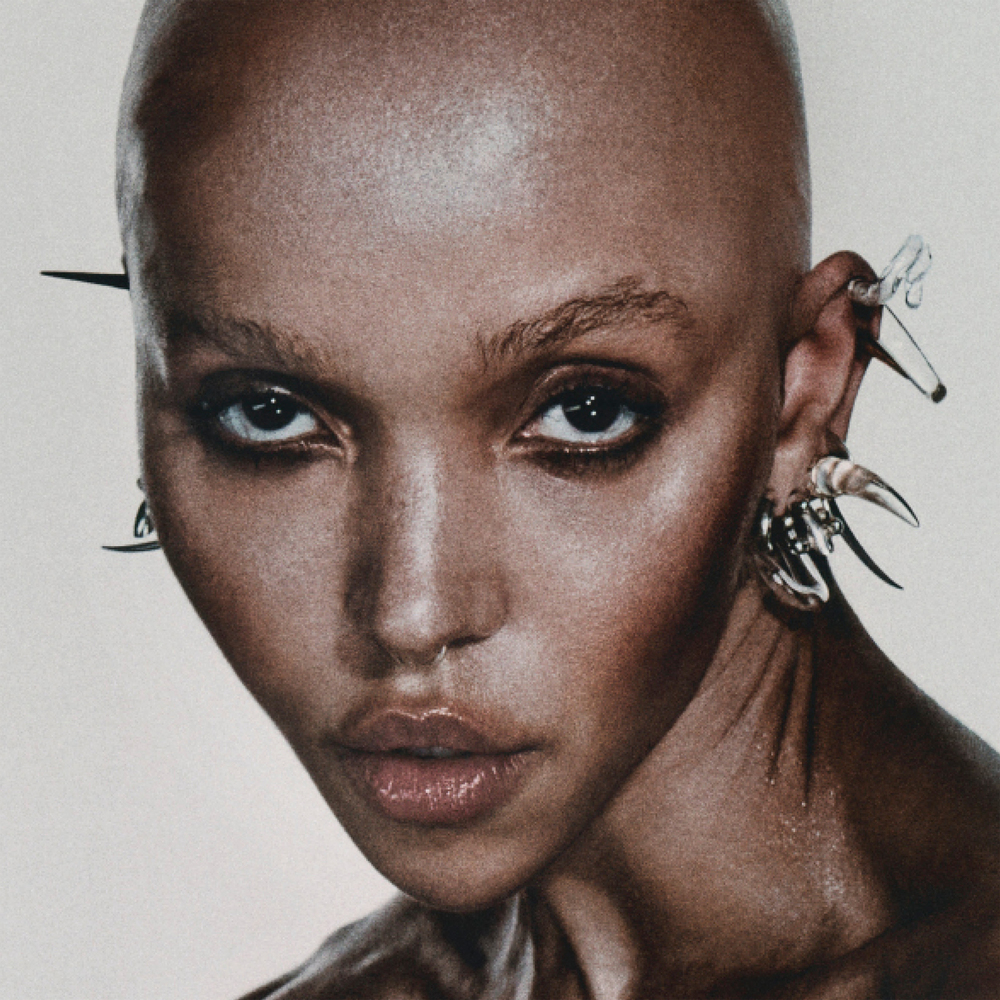
2025 is over and will forever be remembered as the year FKA twigs hosted a year-long rave and forced us all to attend. Her amorphous figure looms over the zeitgeist, twisting and contorting to her defined sound across album covers, music videos and live performances. Art-pop meets techno in the revolution of pop with a razor sharp edge. The EUSEXUA movement is the modern day Dionysian cult–a complete surrender to experience. The twigs evolution has brought us through heart breaking ballads, hip-hop fusion and now, techno-rave pop. Between two album releases, a tour, and altering the mind states of anyone who crosses her path, twigs has had a busy year. She has pushed her artistry to extremes through both performance and music, letting her absurdist dance style share in responsibility for the creation of EUSEXUA. Over this era she has become less of a person than she is an idea, and that seems to be exactly what she wants. The sound of this record is ethereal and striking with deep synths that vibrate in your chest while you are somehow floating in slow motion. The essence of EUSEXUA is to surrender to the sensual world–a complete abandon to the force of music, people, and the body. Supposedly inspired by a life changing club in Prague, twigs speaks to the healing powers of the rave scene and the needs it fulfills especially in the isolating world we find ourselves in. “EUSEXUA is a practice. EUSEXUA is a state of being. EUSEXUA is the pinnacle of human experience.” A compelling slogan for an album that follows through on its claim. From the intoxicating seductiveness of “Girl Feels Good” and “Perfect Stranger” to the yearning of “Eusexua” to the heavy strike of “Drums of Death”, the record possesses and manipulates the body and mind. “Room Of Fools” feels as if it speaks directly to the point of the work. “This room of fools / We make something together / We’re open wounds / Just bleeding out the pressure / And it feels nice.” And she’s right. The love between two strangers synced by music may very well be the solution to all the world’s problems. twigs never shies away from a vulnerable moment, grounding her as human through all the unearthly antics. These soft moments find themselves in “Sticky” and “Wanderlust,” cutting through with honesty reminiscent of the early LP1. However, this tenderness is broken up by the intensity of “Keep It, Hold It” and “Striptease” transitioning back and forth between emotional vulnerability and surrender to the sensual, embodying the complicated relationship between the two. “Childlike Things” is simply out of pocket, with a feature by North West speaking Japanese and a kawaii feeling “dun dun” melody–it’s fire, that’s it. Each track compliments the rest of the record while still standing strong individually. Listening to this album and giving into the power it has over your body, may just be the “pinnacle of human experience.” Eusexua has now entered the vocabulary of the people and it seems to be the word we’ve always been searching for. “If they ask you, say you feel it/ but don’t call it love” is exactly the answer you should give upon being asked the question “What is EUSEXUA?” But honestly, it might be love. — Avery Piazza
2. Getting Killed by Geese
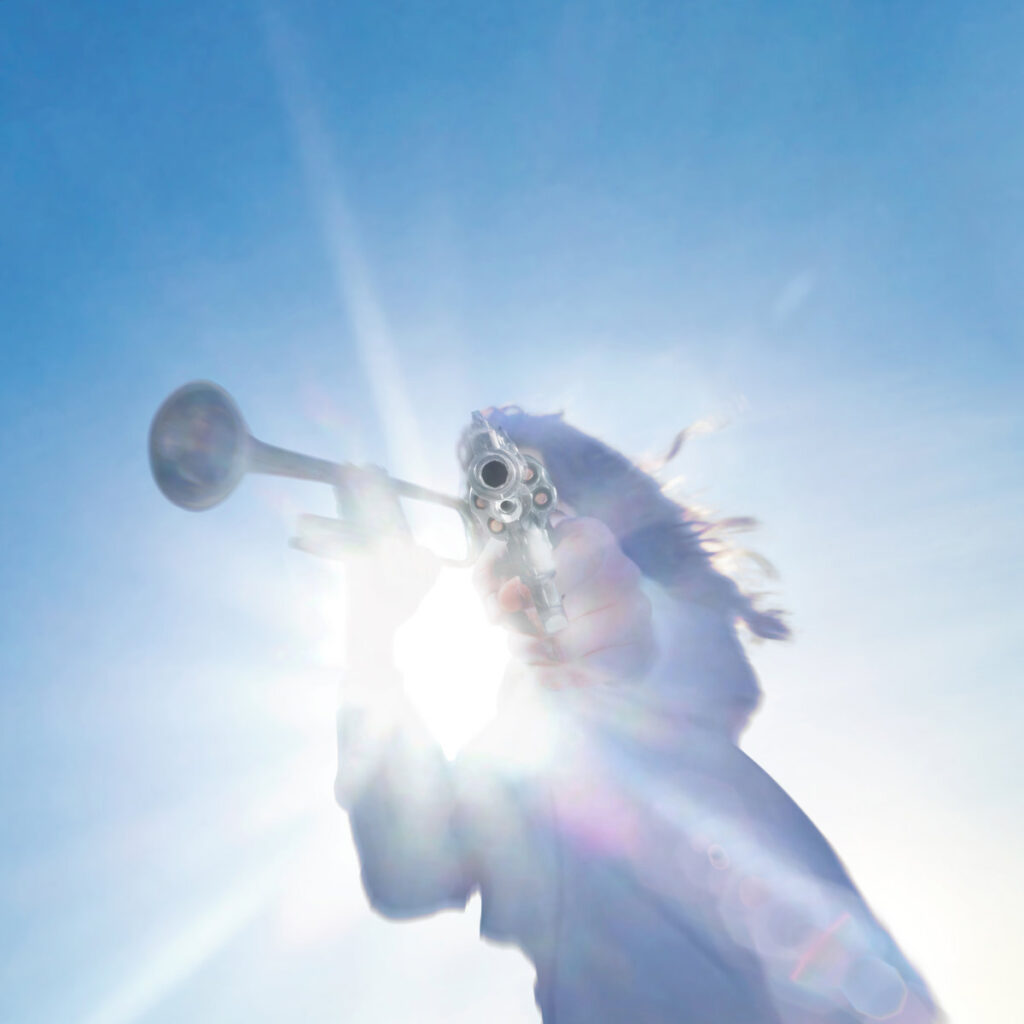
After finding Cameron Winter’s video for “$0” when it came out late last November. I immediately felt like I had found something new and different than everything else I had been listening to and excitedly followed Winter’s Heavy Metal singles as they came out. I watched each of the strange videos of Winter performing them to himself in the public of his Brooklyn neighborhood as passersbys walked on uninterested. When Heavy Metal was released in December 2024, it instantly became one of my all time favorite albums, I inevitably ended up giving Geese another listen. Although I had heard of Geese through friends at WECB, I wasn’t sure how to feel about their debut studio album 3D Country after my first listen last December. I had liked their song “Cowboy Nudes,” but I hadn’t given the album the time it deserved when I was first introduced. As my obsession with Heavy Metal only grew, so did my curiosity with Winter’s other musical endeavors. After having the privilege to see Cameron perform Heavy Metal this April at a local music theater with my best friend for something like $17, I found myself listening to 3D Country on repeat. Geese quickly became the soundtrack to my summer: in the car with friends on roadtrips, making dinner, and walking around the city. When my friend was selected to be in the “Taxes” music video, I was soon listening to them sing the chorus over and over, without any idea what it would sound like when it was released. I bought a ticket to see Geese perform at the Paradise Rockclub in Allston when they were released and as the singles for Getting Killed were released, I couldn’t wait for the full album. The opening track of Getting Killed, “Trinidad,” sets the tone for much of the album. Winter yells, “There’s a bomb in my car!” only 15 times throughout the song over a chaotic rock instrumental. Trinidad seems to describe an overall feeling of social unrest, and sets off the album to explore apocalyptic themes of violence and chaos. Then, in the second track, one of my favorites on the album, “Cobra,” the album lightens up for a fun, dancing guitar riff, and driving bassline. “Cobra” combines a bright, playful rock instrumentation with Winter’s insightful lyrics that seem to describe a push in pull in a relationship, comparing dependency in a relationship with the dynamic between a snake charmer and cobra. “On Au Pays du Cocaine,” guitarist, Emily Green opens the fan favorite track with a memorable, glittery riff that returns throughout the song. On an album titled “Getting Killed” that emphasises apocalyptic metaphors and biblical references, “Au Pays du Cocaine” works as one of the softer moments on the album. Winter sings, “Like a sailor in a big green boat/ Like a sailor in a big green coat/ You can be free/ You can be free and still come home/ It’s alright/ I’m alright.” The imagery of the song itself becomes almost a symbol of the band itself. Personally, when I saw them perform the album live last month, I was handed an origami sailors hat by a girl in a sailors hat and green coat in the crowd, as well as a fan made zine by a stranger in line. In “Taxes,” the penultimate track ofGetting Killed, Geese focuses on the combination and culmination of their biblical, apocalyptic imagery with a tie into a modern, mundane reality of living within a bureaucratic society. Winter sings, If you want me to pay my taxes/ You better come over with a crucifix/ You’re gonna have to nail me down. Forming as friends in high school, the members of Geese expected to break up and go to college, and ended up signing to Partisan Records just before heading off to study. I interpreted this song as a refusal to conform to the typical expectations of how to live your life. Cameron’s refusal to pay his taxes is representative of a larger refusal to live within the system of how we are expected to get a degree in 4 years, find a job, get married and have kids, and retire. Although Geese is experiencing a huge success now, having formed in 2016, Getting Killed is the result of nearly a decade of work, and I think that it is deserving of the hype that it has received this year. — Hanlon Lowther
1. Heavy Metal by Cameron Winter
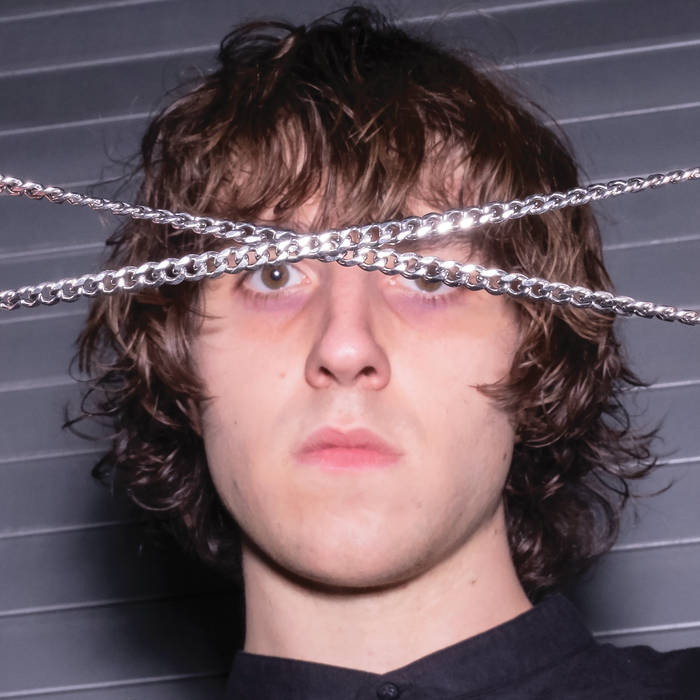
Ignore the discourse. Ignore the haters. Ignore the fact that Heavy Metal came out in December 2024. In my mind, it’s impossible to argue that a better collection of songs came out in the last 365 and some days than Heavy Metal. Even when taking into consideration the strange, meteoric social media rise that Cameron Winter and his bandmates in Geese have seen in the last few months, there remains an indelible quality to the frontman’s debut which even the best tracks off of the phenomenal Getting Killed could not quite replicate. Of course, comparing Heavy Metal stylistically to anything Geese have put out is like comparing apples to pineapple pizza, but the honest truth is that even the craziest, most subversive work of Cameron Winter’s band can hardly compare to the remarkably singular nature of his debut album. That’s not to say this music exists in a vacuum; Winter himself wouldn’t hesitate to tell you that he’s indebted to the great singer-songwriters of old, from Dylan to Cohen to even the great American primitivist Robbie Basho. And there is no doubt that all of those influences come through clear as day in Heavy Metal — at times, Winter’s warbling deadpan and cavernous, off center arrangements almost play like a direct tribute to Songs of Leonard Cohen or Basho’s Visions of the Country. But Winter knows that well; he knows exactly what Heavy Metal is and where it stands. One read through the lyrics of Heavy Metal will tell you that it’s a work whose grounding logic is in the surreal, in painterly images of pyramids of teeth and big hairy football arms and acts of violence involving ukuleles, sometimes gobbledygook, sometimes poignant and oddly profound. But one full listen — and another, and another, and another — reveal slowly that the through line, the emotional crux of Cameron Winter’s first album is in actuality the songwriter’s relationship to his own music, to the songs that haunt him and the unbearable weight of the legacy that proceeds him. These songs exist inside the smoldering artistic fire which has for so long propelled wannabe poets into being rock stars, that has taken nobodies and made them into somebodies. In legend, it sounds romantic as all get out, but what Heavy Metal really wants you to know is that inspiration is actually kind of ugly. “Nina I’m not nothing, but when you lie on the piano/I am reminded I am stupid” he bellows on “Nina + Field of Cops,” perhaps in reference to the great Nina Simone, a pianist and singer-songwriter not unlike Winter, but someone who, to Winter, is so far transcended beyond him artistically that it makes him feel like a bug scuttling beneath a rock. So how does one respond to the realization that you’ll never measure up to your idols, and that nothing you do is truly original? Put together an album that sounds like it was assembled from a ProTools toy box, fill it up with post-ironic quibs about your self-loathing and God, and make it the catchiest thing this side of “Call Me Maybe.” From the moment those rinky-dink guitars cascade down on the opening of “The Rolling Stones,” the invisible hand of Winter’s self-reflexive, self-pitying song has already secured its grip over you — as Winter so elegantly swoons out on “Cancer of the Skull”: “All these songs are a hundred ugly babies.” To be creative is to hate every single thing you create. — Lucca Swain