
Welcome To 20 Years of The Black Parade: A Staple of Emo History
Every Sunday, milk crate revisits an iconic piece of music history—artist, album, or otherwise—as a part of our weekly crate digging series.
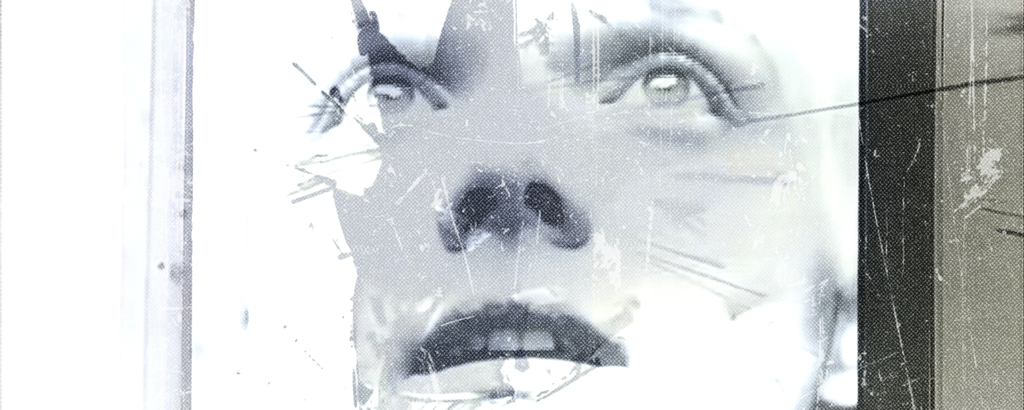
Design by Francis Mertes
By Andy Brown
Equip your side bangs, put thick black eyeliner in your waterline, slip on black skinny jeans and several studded belts, and come with me as we look at The Black Parade by My Chemical Romance on its 20th birthday. On October 23rd of 2006, My Chemical Romance (MCR) released The Black Parade and forever changed the trajectory of 2000s emo culture. The album is so iconic, the intro of “Welcome to the Black Parade” has become an instantaneously recognizable progression. As one band in what’s known by dedicated emo music listeners as “The Holy Emo Trinity”, alongside Panic! At The Disco and Fallout Boy, MCR is undoubtedly one of the most recognizable and iconic bands in the emo genre. Even as it grows in age, its release changed music history forever, and the album is a perfect snapshot of 2000s emo culture.
The Black Parade came out a year before I was born into a pretty religious life, so their music did not enter my life until late middle school. And yet, lead singer Gerard Way’s crunchy, whiny vocals evoke a feeling of nostalgia for a time I was barely conscious for. There’s something about Way’s wailing that satisfies a part of my brain no other music can. “The Black Parade is a big middle finger to the world”, Gerard Way said in an interview with Kerrang in 2006. It was built to be the album of the generation, voicing young people’s frustrations with the world. However, when the album debuted, many listeners in the MCR fanbase were initially lukewarm to the album despite anticipation leading up to its release, finding that the sound was more polished than their previous album Three Cheers For Sweet Revenge. Fans were worried that, despite their claim to be against the world, the band was selling out to gain commercial appeal. The essential edge featured in their previous music had dampened, leaving what was speculated to be a more marketable release. Outside of the fandom, news sources and concerned parents worried about the social and mental ramifications of the release. In the United Kingdom, news sources like The Daily Mail believed it to be glorifying suicide and self harm, through lyrics and through the emo community. Eventually, it became the icon of emo that it is today, though upon its arrival, it was ironically a bit misunderstood. The albums rock-opera like structure, following the character of “The Patient” drew new fans in. Sad teens could relate to the character and lyrics, and I believe the community and connection is what made The Black Parade so successful.

The titular and perhaps most recognizable track, “Welcome to the Black Parade”, has been joked about online by millennials as able to awaken an entire generation with a single note. Being able to claim an entire note – a single sustained G – is nothing short of iconic. The silent-film inspired music video, with the band dressed in black and white marching band uniforms depicts the character of “The Patient” reliving his happiest memory on his deathbed. The song starts with a slow, simple piano introduction, builds into a marching band-esque tune, and crescendos into a wailing rock song. The tragedy, the fashion, and the visual approach of “Welcome to The Black Parade” earned the song an instant spot on the Billboard Hot 100, immediately creating a wider appeal and procuring new fans.
“I Don’t Love You” and “Cancer” are songs that will make any seasoned emo shed a tear. Overly dramatic lyrics and iconic instrumentals, these two songs share a similar structure in their slow, tuneful introductions, building to passionate ballads. “Cancer” adopts a slower sound compared to the rest of the album, as the sorrowful lyrics call for the lingering instrumentals. “‘Cause the hardest part of this is leaving you,” Way sings about The Patient’s decline into death. The addition of the slower, methodical ballads created leeway within the album, opening the sound up to be more fluid between genres. I can’t help but find the corny over-the-top depressing lyrics about heartbreak endearing and nostalgic.
“The Sharpest Lives” is perhaps my favorite on the album, with its grungy guitar, classic whiny vocals, and earworm lyrics, I find myself humming this tune often and appreciating the emo song structure. The song is truly a blueprint for all emo music to follow, capturing the whiny vocals, sharp guitar, and suspenseful chords. Similar sounds can be found in later emo releases, such as “Thnks fr th Mmrs” by Fallout Boy, with the suspenseful guitar and nasally vocals. The eleventh track on the album, “Teenagers”, is an anthem of angst. It still engages teenagers and adults, even twenty years past its release. “Teenagers scare the living shit out of me”, Way yells, to which a chorus of angsty teens in 2006 would have cheered. The song serves as a battle cry to angry emo teens, Gerard Way effectively building his army and providing them with a sense of visibility.
Something about emo music that I find so compelling is the community, the support, and the rejection of standards. While they have their rules, I find their rejection of heteronormative gender and sexuality expectations particularly alluring, in a way which I believe many other lonely teens would be drawn to. Emo music is, if nothing else, an outlet for complex feelings that deeply affected the music scene for the rest of history, and should still be appreciated as it ages. The Black Parade is one of the albums that had such an impact on how I view the world, that I can’t help but feel a connection to it. It shaped how I listen to music, appreciating albums in their entirety, and the album’s deep-rooted connection to community has always drawn me back in. My Chemical Romance gives fans across decades a chance to embrace their true selves. In their creation, they sought to defy standard music norms, even maintaining they do not belong to a single genre label of “emo”. MCR’s fluidity, both as people and within their music, provided hope to lost fans looking for comfort. Their music is meant to be unrestrained, raw, and powerful, giving listeners a sense of purpose and belonging. The Black Parade provided that kinship for listeners, which still manages to touch hearts 20 years after its release.